

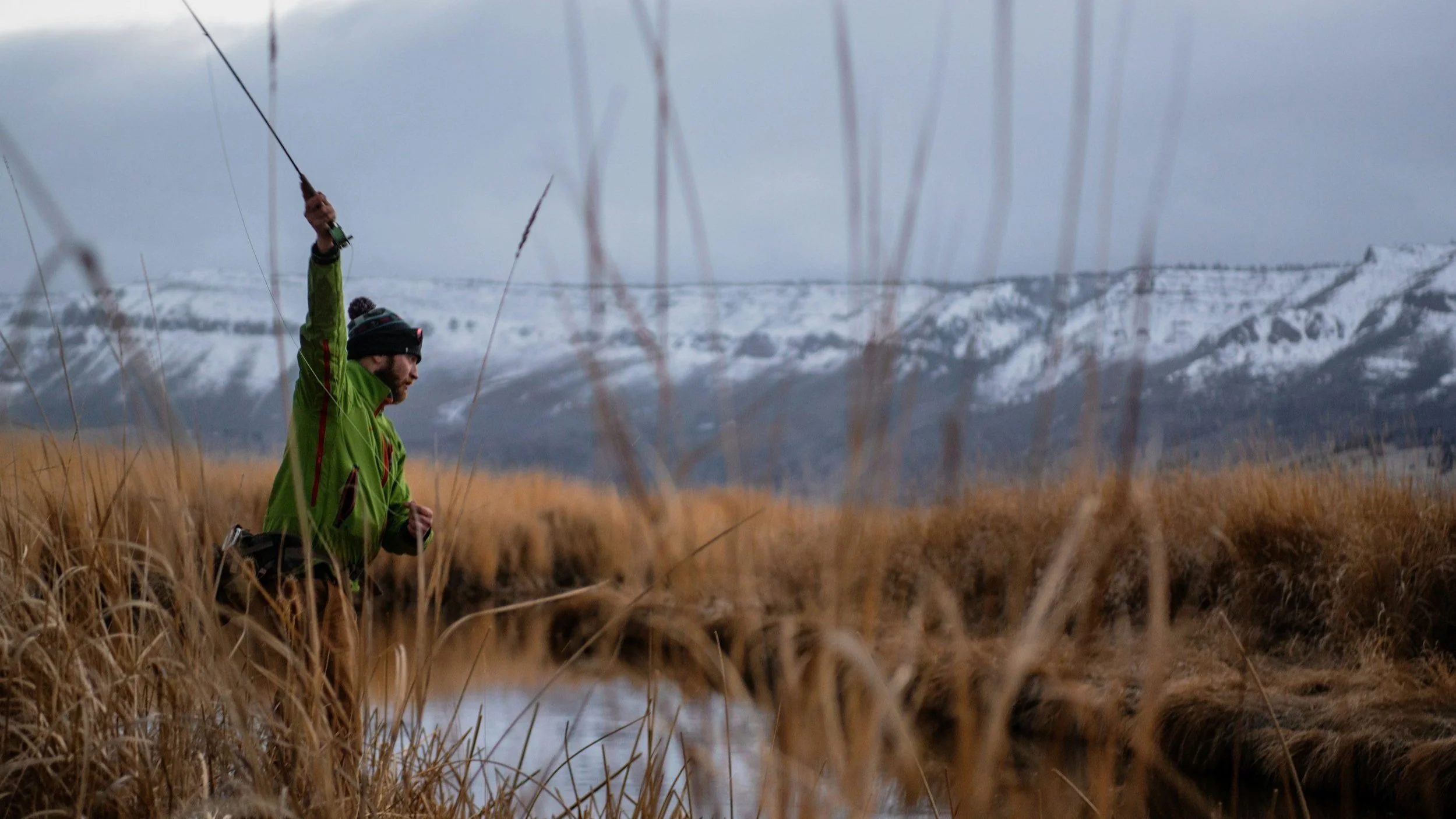
Casting Add-Ons: The Subtle Skills That Bring a Cast to Life
Subtle casting add‑ons—like aerial mends, reach casts, and angle changes—let you shape the drift before your fly lands. This article introduces these small skills and how they help you fish complex water more effectively.

Turbidity and Trout
Increased turbidity can significantly impact trout behavior, altering their feeding habits, movement patterns, and angling response. As water clarity decreases due to sediment, runoff, or algal blooms, trout rely more on their lateral line and scent detection rather than sight. They tend to favor slower-moving prey, seek cover in structured areas, and become less wary of predators. For fly fishers, adapting to these conditions with larger, high-contrast flies, slower presentations, and strategic positioning in current seams can greatly improve success. Understanding how turbidity influences trout can turn challenging conditions into rewarding fishing opportunities.