

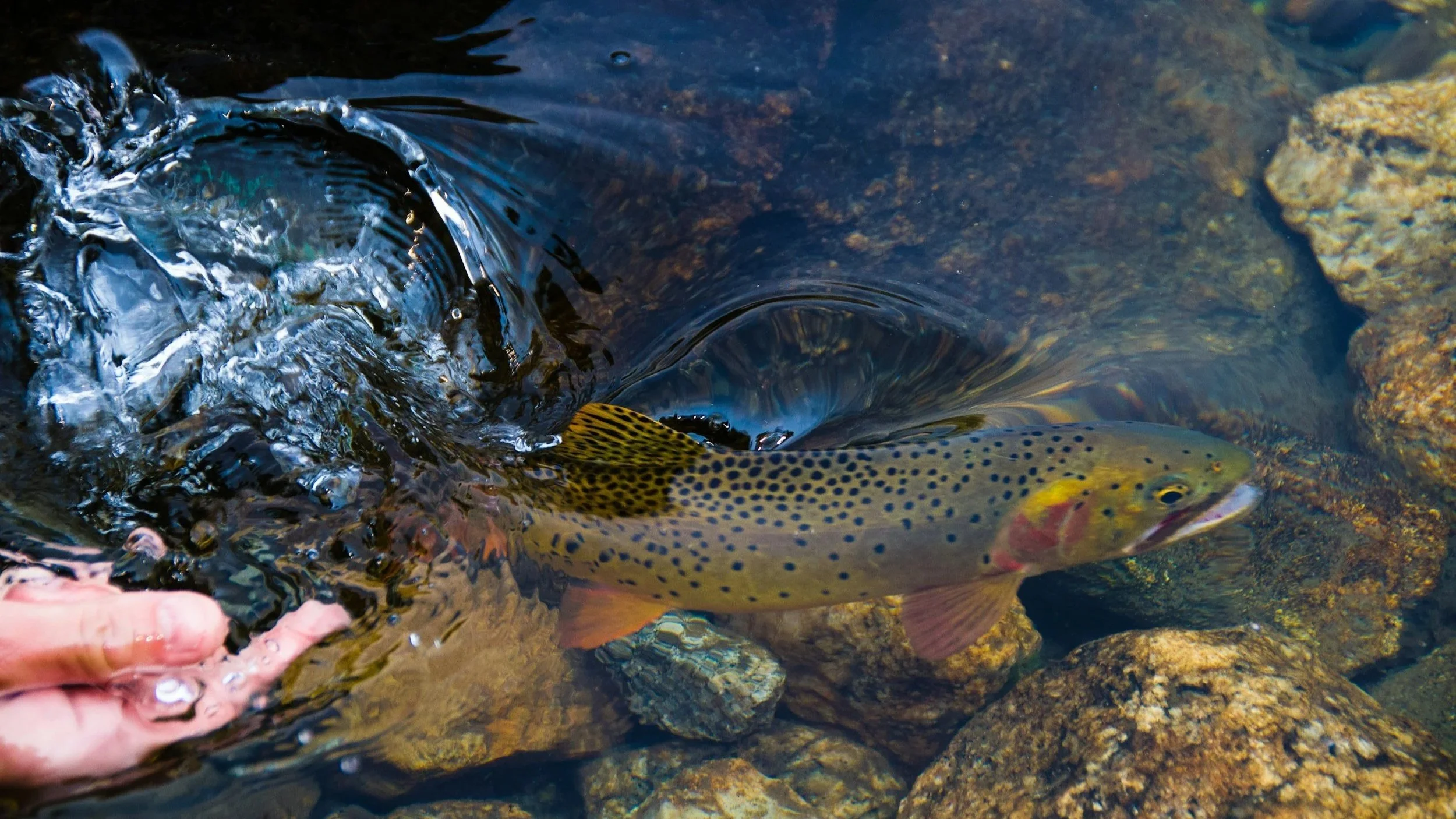
Trout Basics – What Every Angler Should Know
Trout live in a world shaped by current, structure, and food. This article introduces how trout choose where to hold, how they feed, and what conditions matter most. With these basics in mind, every river becomes more readable and each cast more intentional.
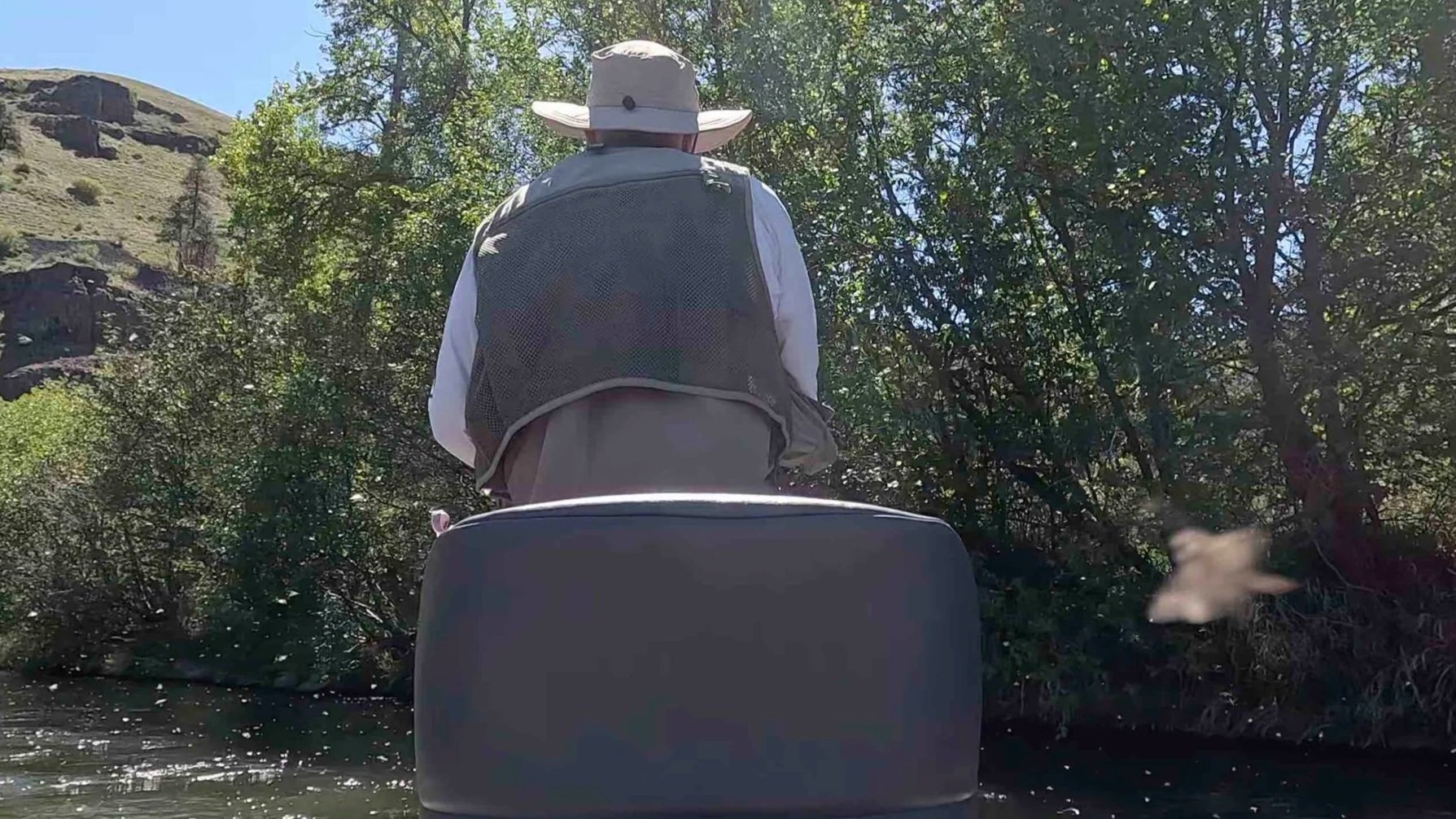
Understand Seasonal Hatches: Reading the River Through the Year
Each season brings its own insects and trout behaviors. This article walks through spring, summer, fall, and winter hatches, helping you anticipate what’s likely to be important before you arrive at the river.
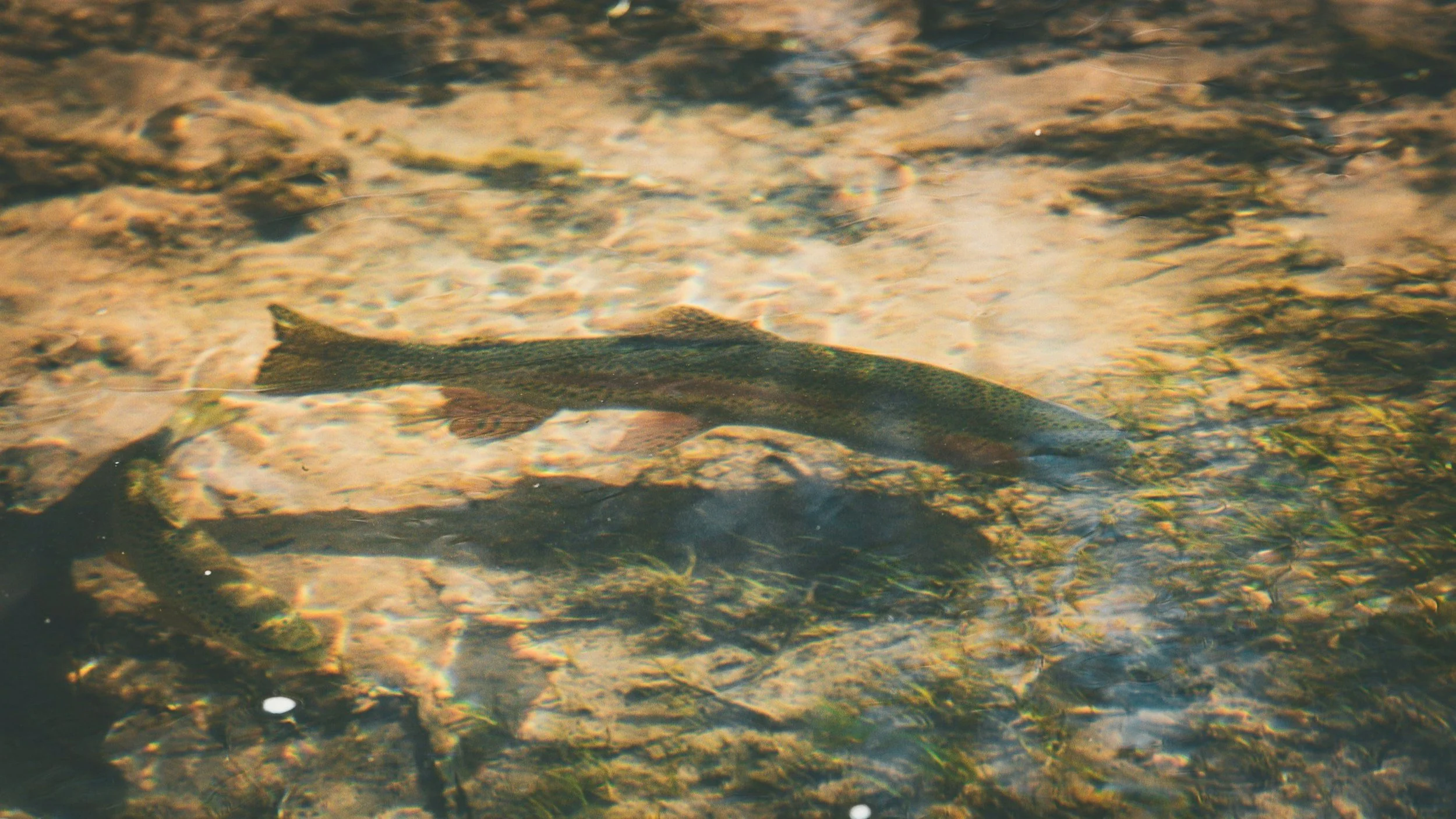
Understand How Trout Feed Throughout the Day: Following the River’s Daily Rhythm
Trout feeding changes with light, temperature, and insect activity. This article explores morning, midday, and evening patterns so you can match your tactics to the river’s daily rhythm instead of fishing the same way all day.
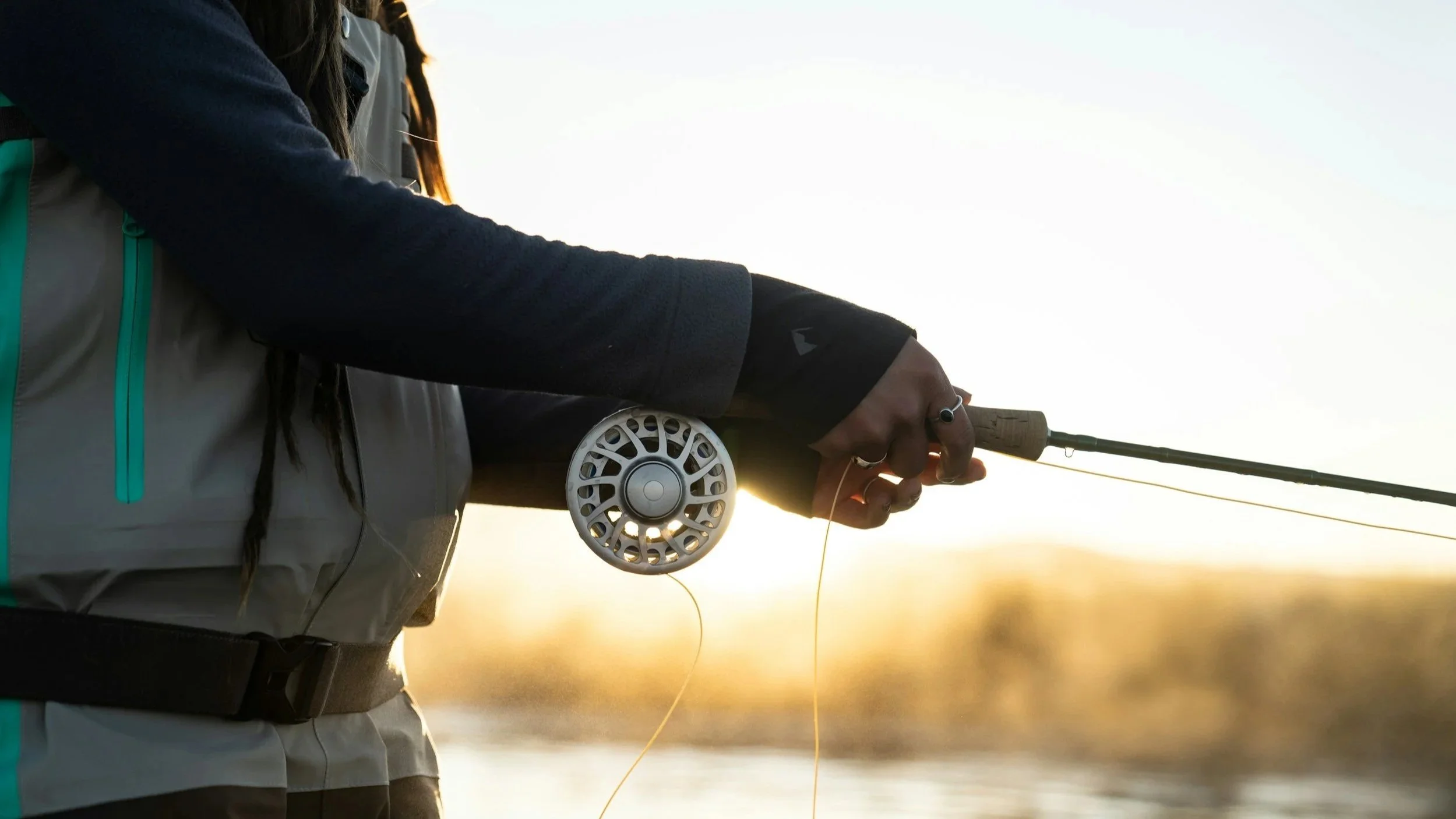
Learn the Three Main Trout Presentations: Speaking the River’s Native Dialect
Trout presentations are different ways of letting the fly move through water. This guide focuses on three foundational styles—dead‑drift, swing, and strip—and shows when each best matches how trout are feeding in real conditions.
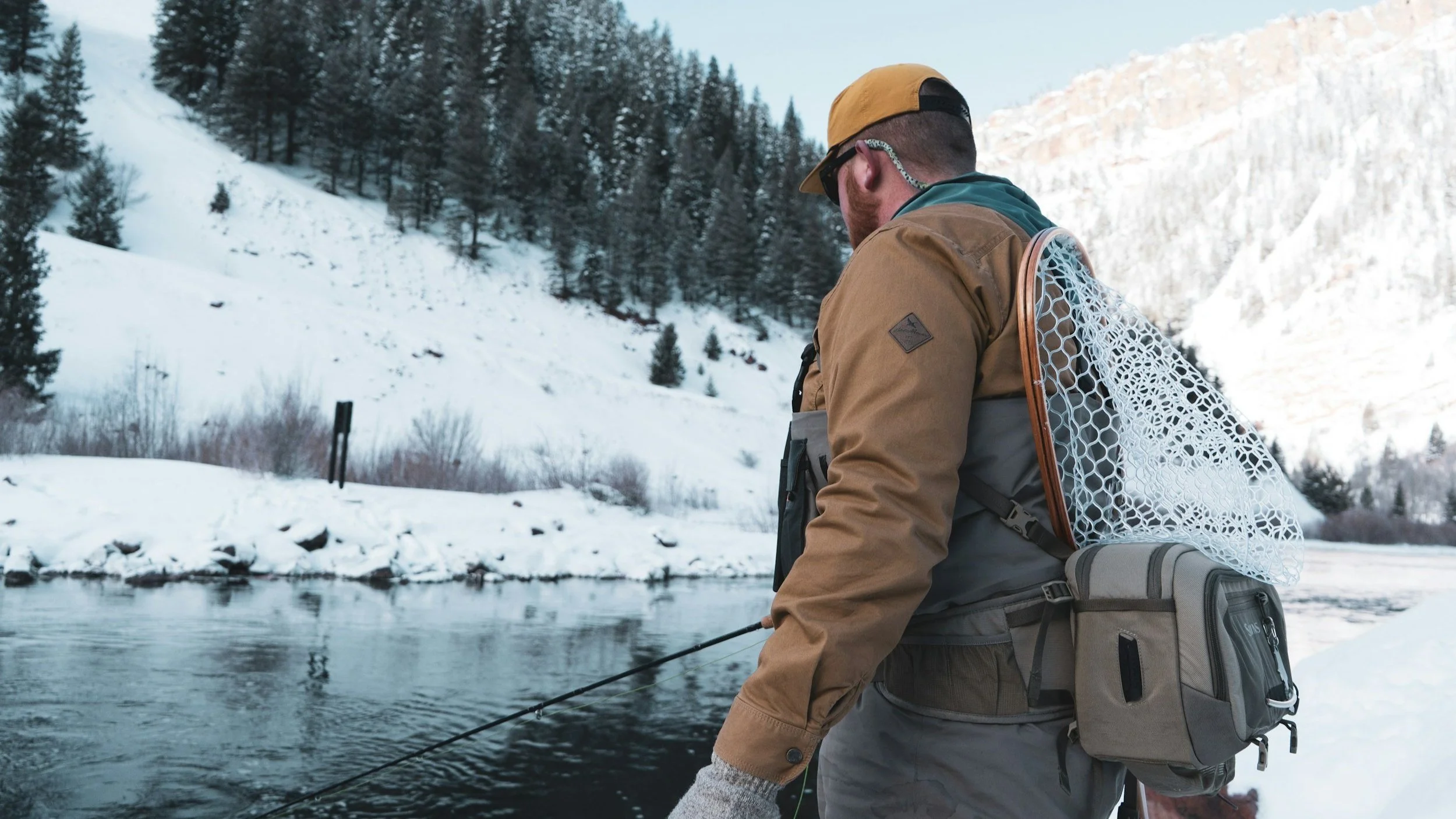
Choose a River Based on Season: Following Water, Light, and the Quiet Clues of the Year
Rivers feel different in spring runoff, summer low water, fall cool‑down, and winter clarity. This piece helps you choose where to fish based on flows, temperatures, hatches, and access so you meet each season on its best water.

Check Flow Charts, Hatch Charts & Weather: Preparing for the River’s Mood
Rivers feel different in spring runoff, summer low water, fall cool‑down, and winter clarity. This piece helps you choose where to fish based on flows, temperatures, hatches, and access so you meet each season on its best water.

The Subtle River: A Deep Dive into the Hatches of the Montana Kootenai
The Kootenai’s hatches can be quiet and refined. This guide dives into the river’s key insect cycles and shows how flows and water clarity shape when and how trout feed on top and just below the surface.
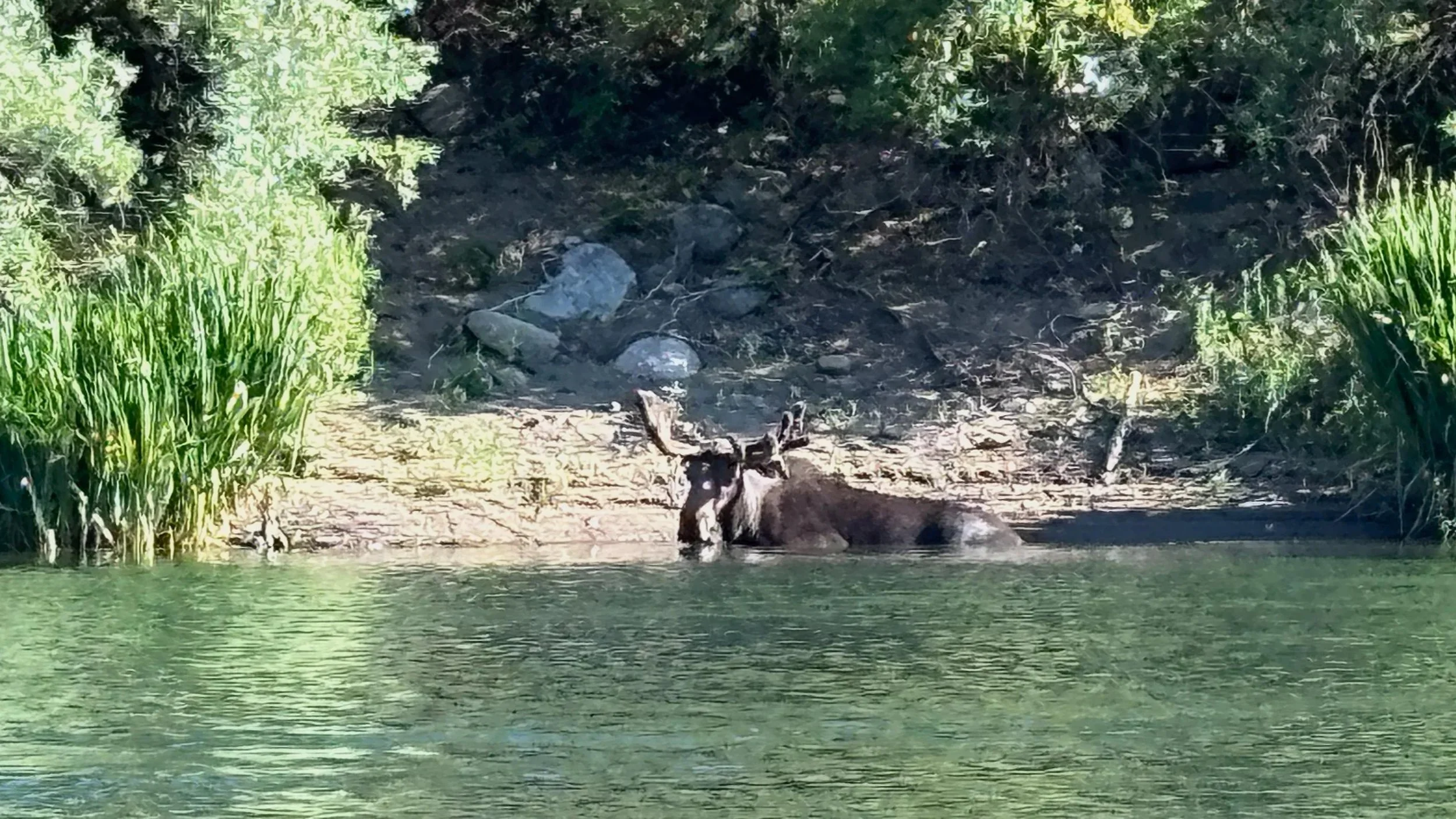
The Urban Hatch: A Deep Dive Into the Insects of the Spokane River
The Spokane River supports a surprising insect community in an urban setting. This article examines its key hatches and how trout use them, helping you time your outings and match patterns more precisely.
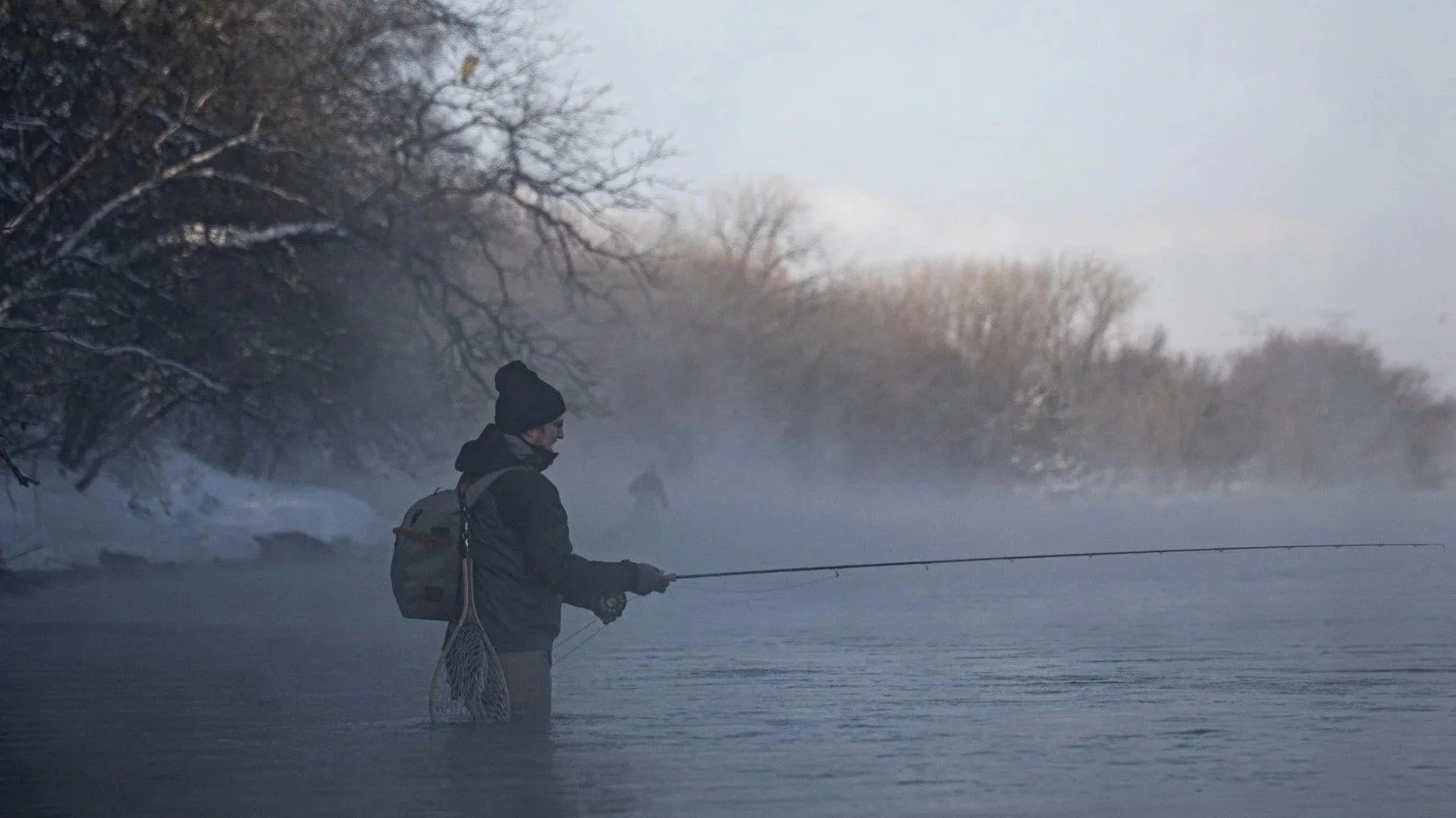
Fishing the Skwala
Among the many hatches that occur throughout the year, the Skwala stonefly emergence stands out as a favorite for many fly fishers. Unlike the better-known mayfly hatches of summer or the blanket stonefly emergences of early spring, the Skwala hatch arrives when rivers are still waking from winter’s grip—often in late February through April.

Turbidity and Trout
Increased turbidity can significantly impact trout behavior, altering their feeding habits, movement patterns, and angling response. As water clarity decreases due to sediment, runoff, or algal blooms, trout rely more on their lateral line and scent detection rather than sight. They tend to favor slower-moving prey, seek cover in structured areas, and become less wary of predators. For fly fishers, adapting to these conditions with larger, high-contrast flies, slower presentations, and strategic positioning in current seams can greatly improve success. Understanding how turbidity influences trout can turn challenging conditions into rewarding fishing opportunities.