

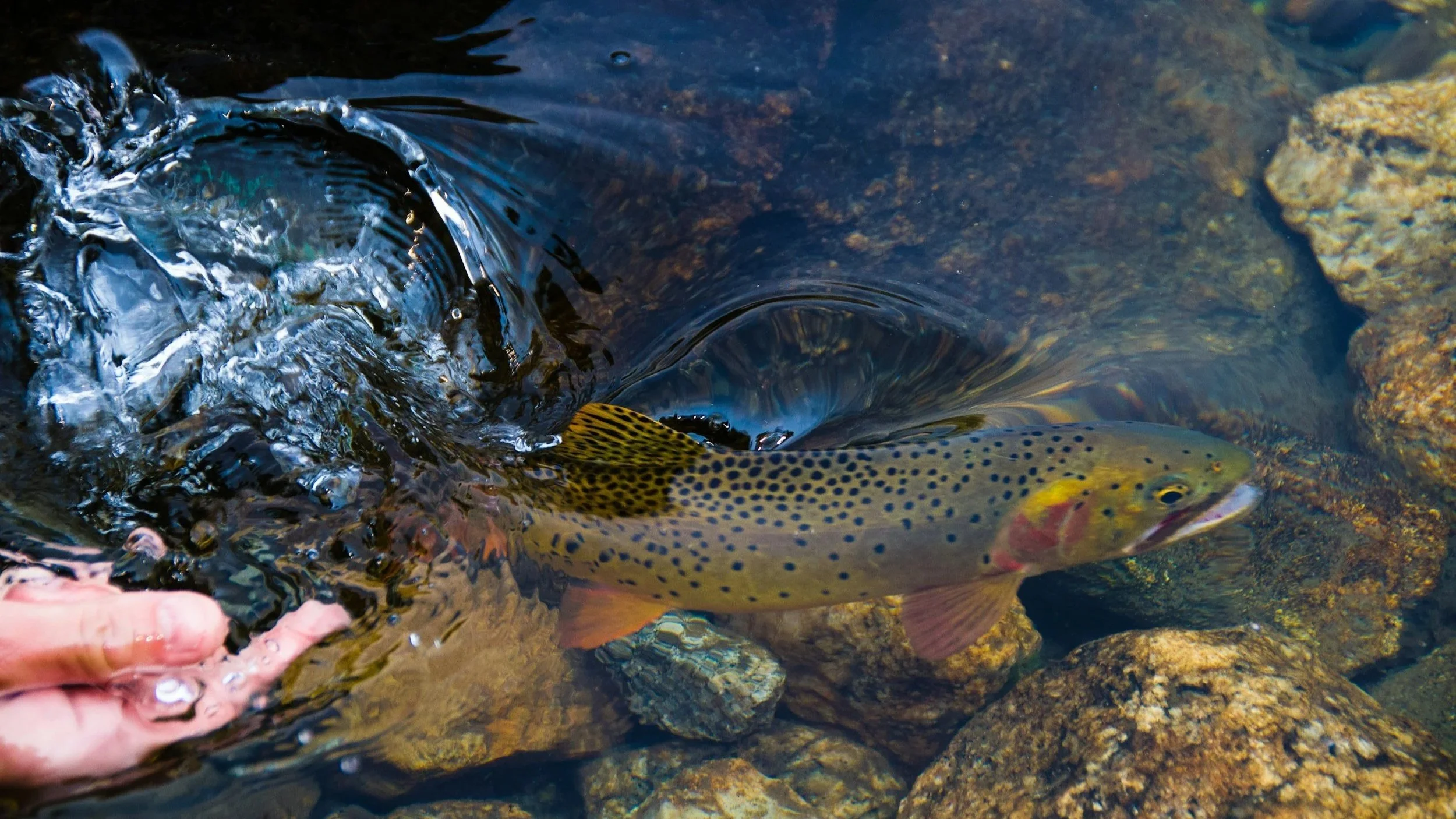
Trout Basics – What Every Angler Should Know
Trout live in a world shaped by current, structure, and food. This article introduces how trout choose where to hold, how they feed, and what conditions matter most. With these basics in mind, every river becomes more readable and each cast more intentional.
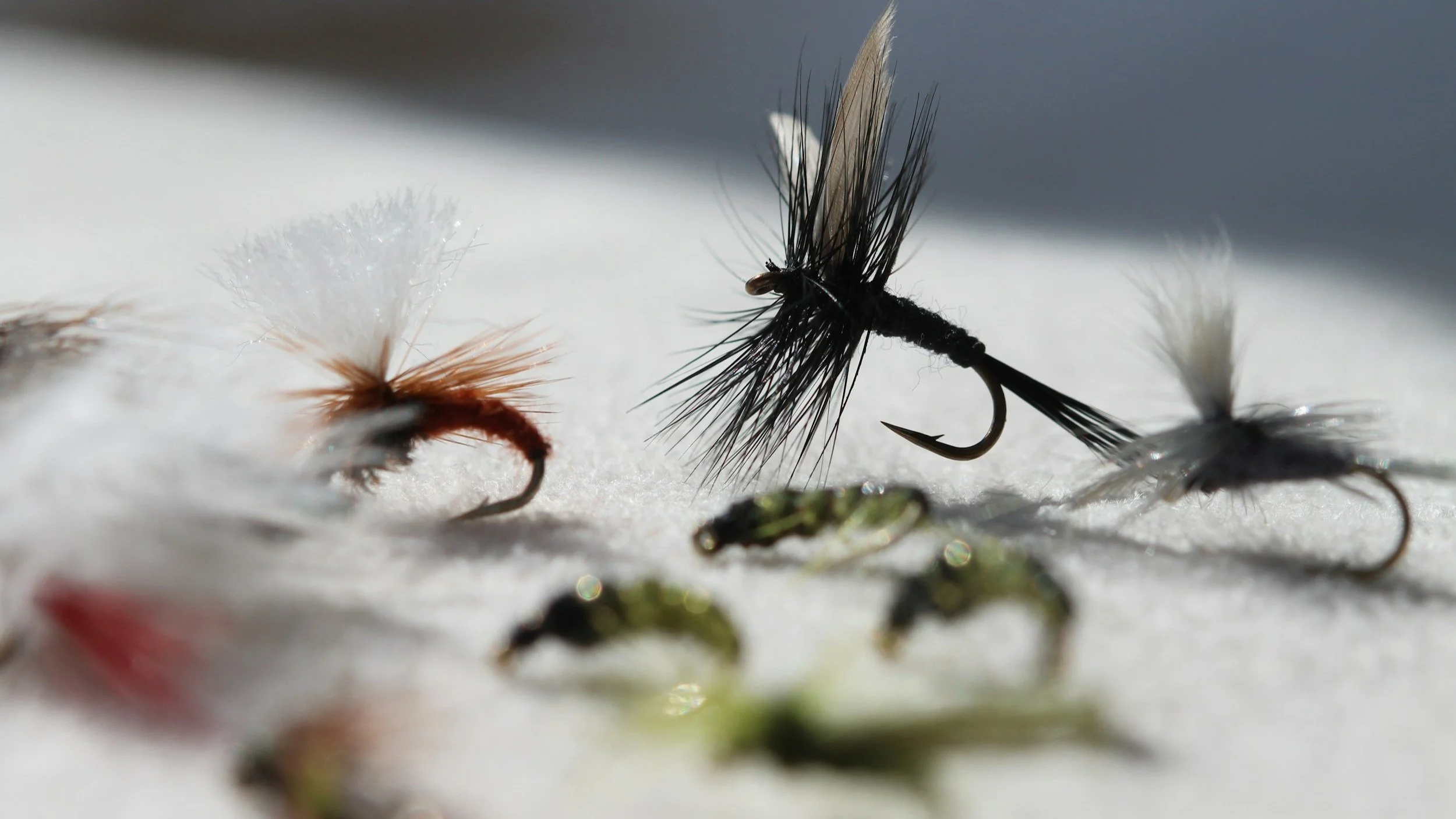
Match Flies to Natural Insects: Fishing the River’s True Story
Matching the hatch is about believable patterns, not perfect replicas. Here you’ll learn how size, shape, color, and behavior help you pick flies that fit the river’s story so trout see your offering as food instead of noise.
Identify Major Aquatic Insects and Their Life Stages: Learning the River’s Native Language
Aquatic insects are the river’s native language. This guide introduces the main groups—mayflies, caddisflies, stoneflies, and midges—and shows how to recognize key life stages so your fly choices better match what trout are actually eating.
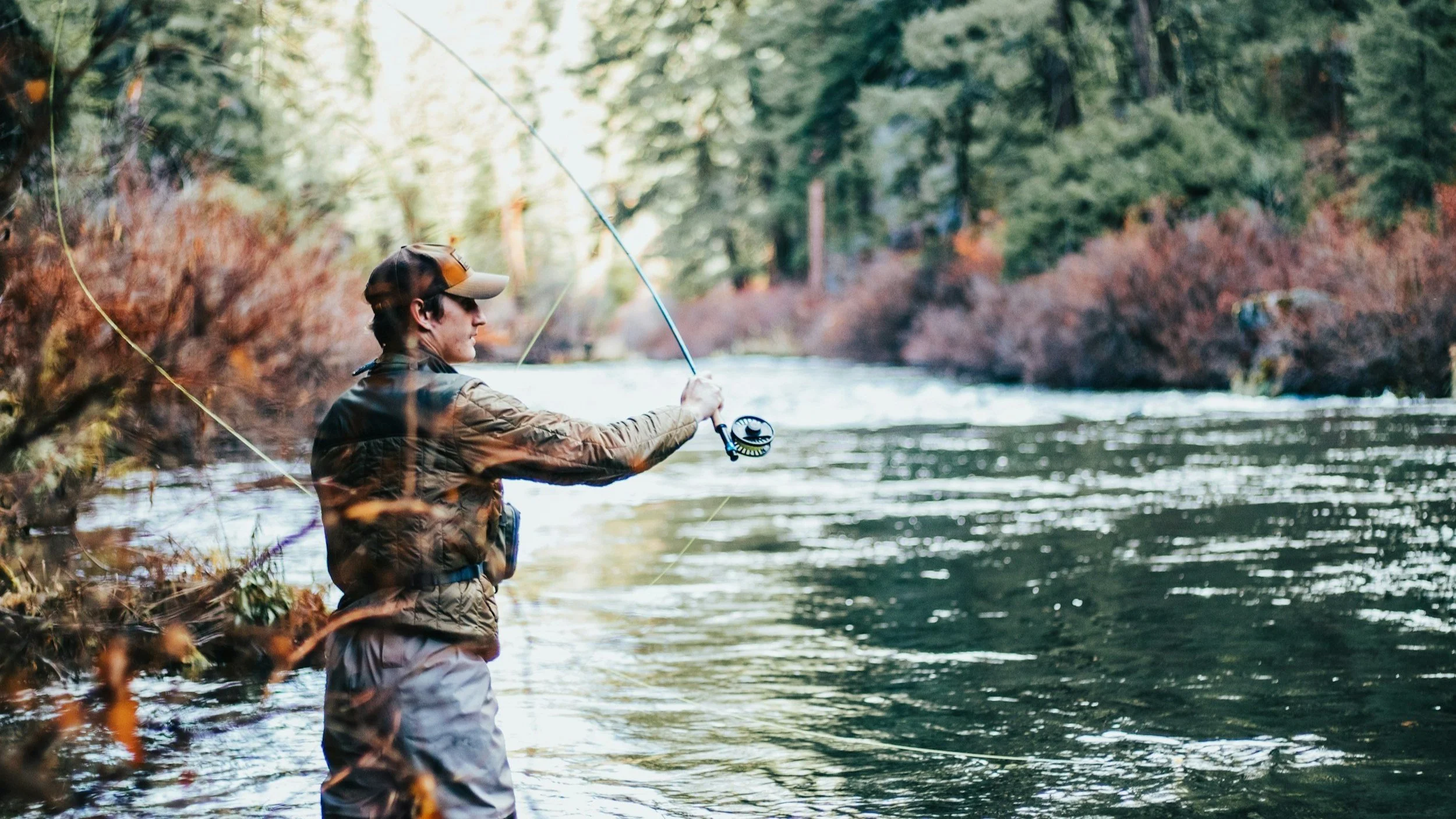
Learn the Roll Cast: Finding Grace Where Backcasts Don’t Belong
The roll cast shines when backcasts aren’t an option. By anchoring line on the water and shaping a D-loop, you can still deliver controlled presentations in tight quarters. This article explains the mechanics and real-world uses of the roll cast.
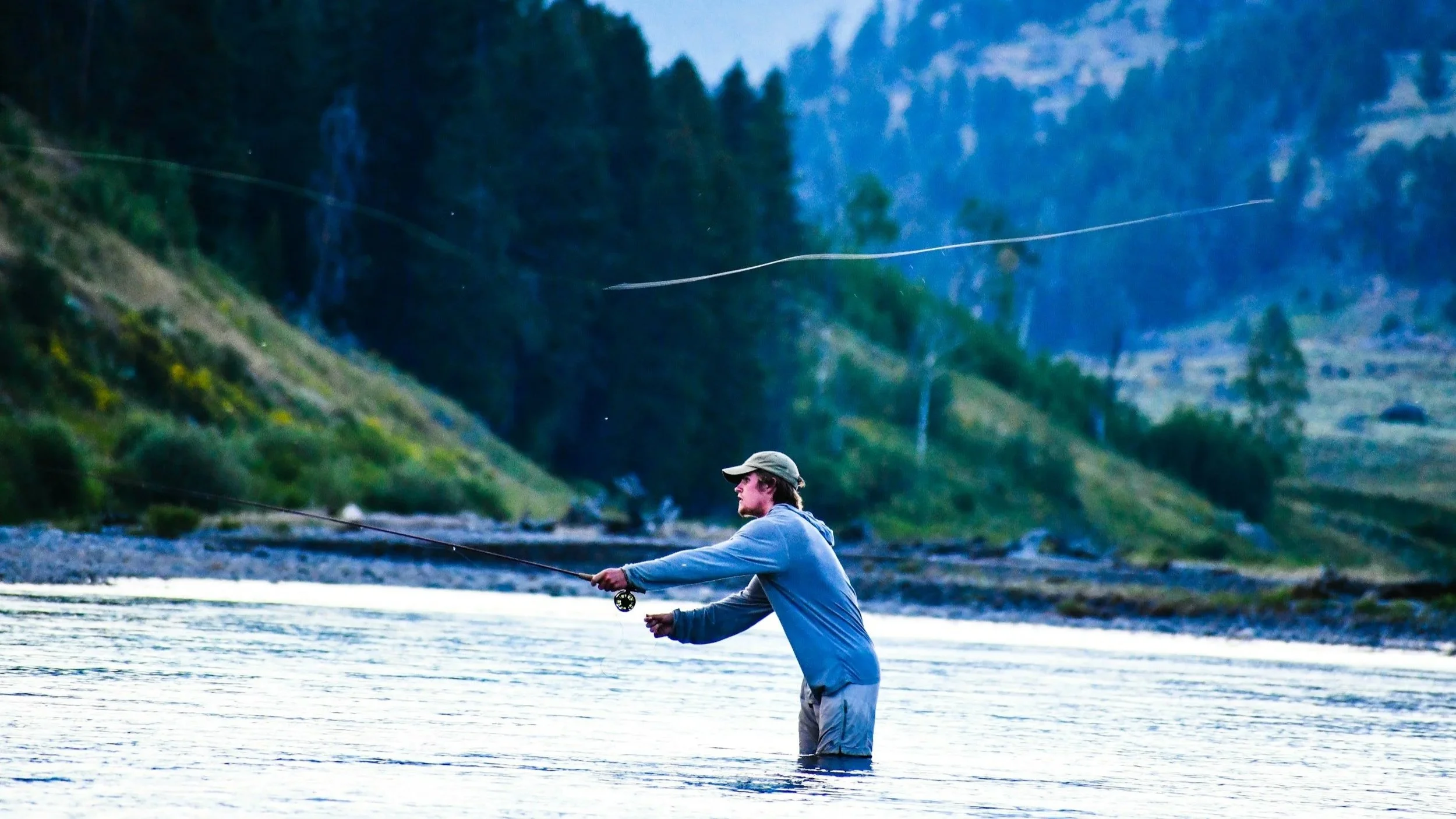
Learn the Basic Overhead Cast: The First Real Conversation With a River
The basic overhead cast is where most fly anglers truly begin. This guide breaks the movement into clear steps and highlights common mistakes, helping you build a reliable, repeatable cast for a wide range of trout water.
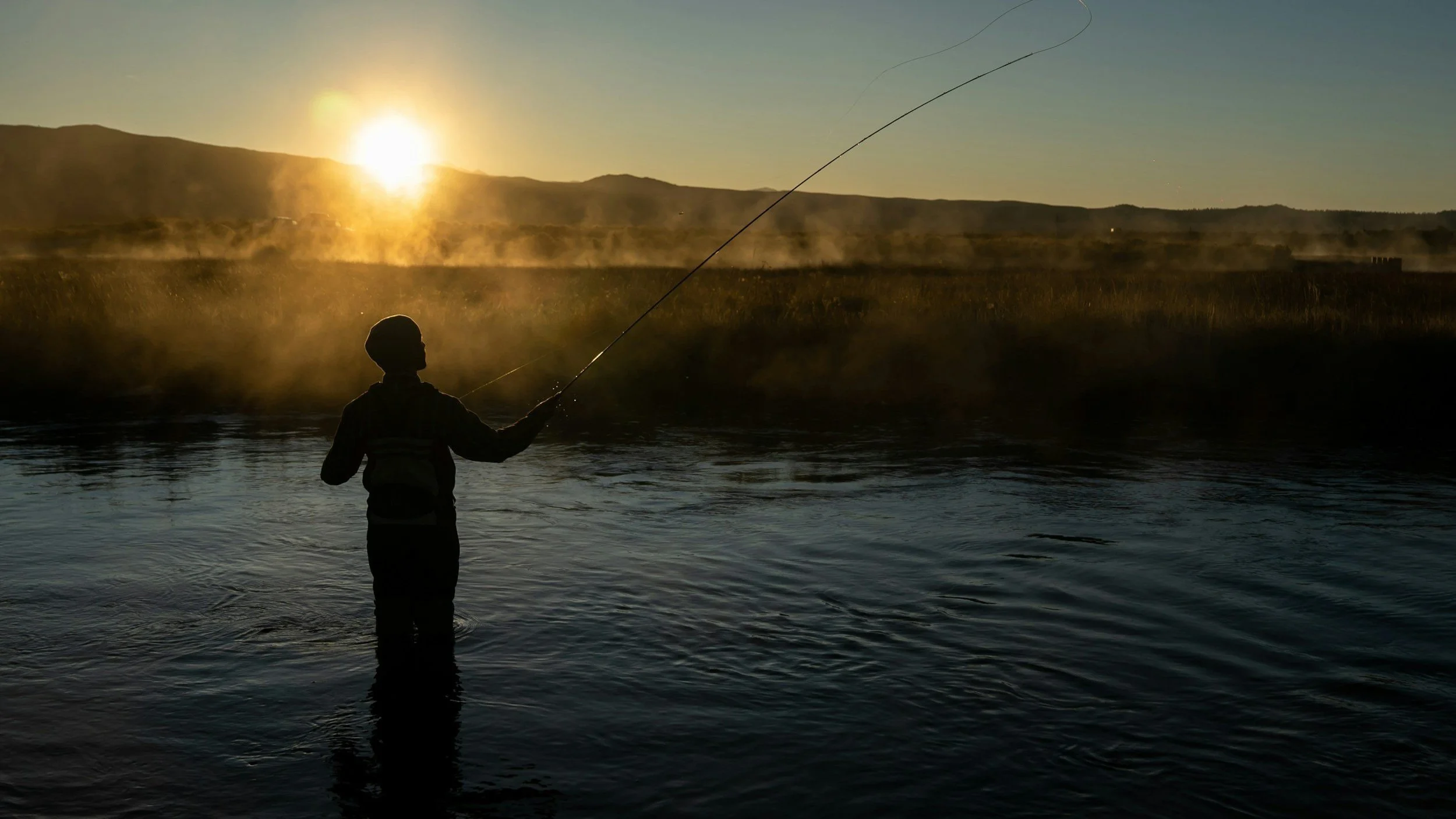
Understand Casting Mechanics: Learning the Language of Line and Air
Casting is timing, acceleration, and a smooth stop that forms a clean loop. This piece explains how the rod loads, how line behaves in the air, and how small changes in stroke affect distance, accuracy, and presentation.
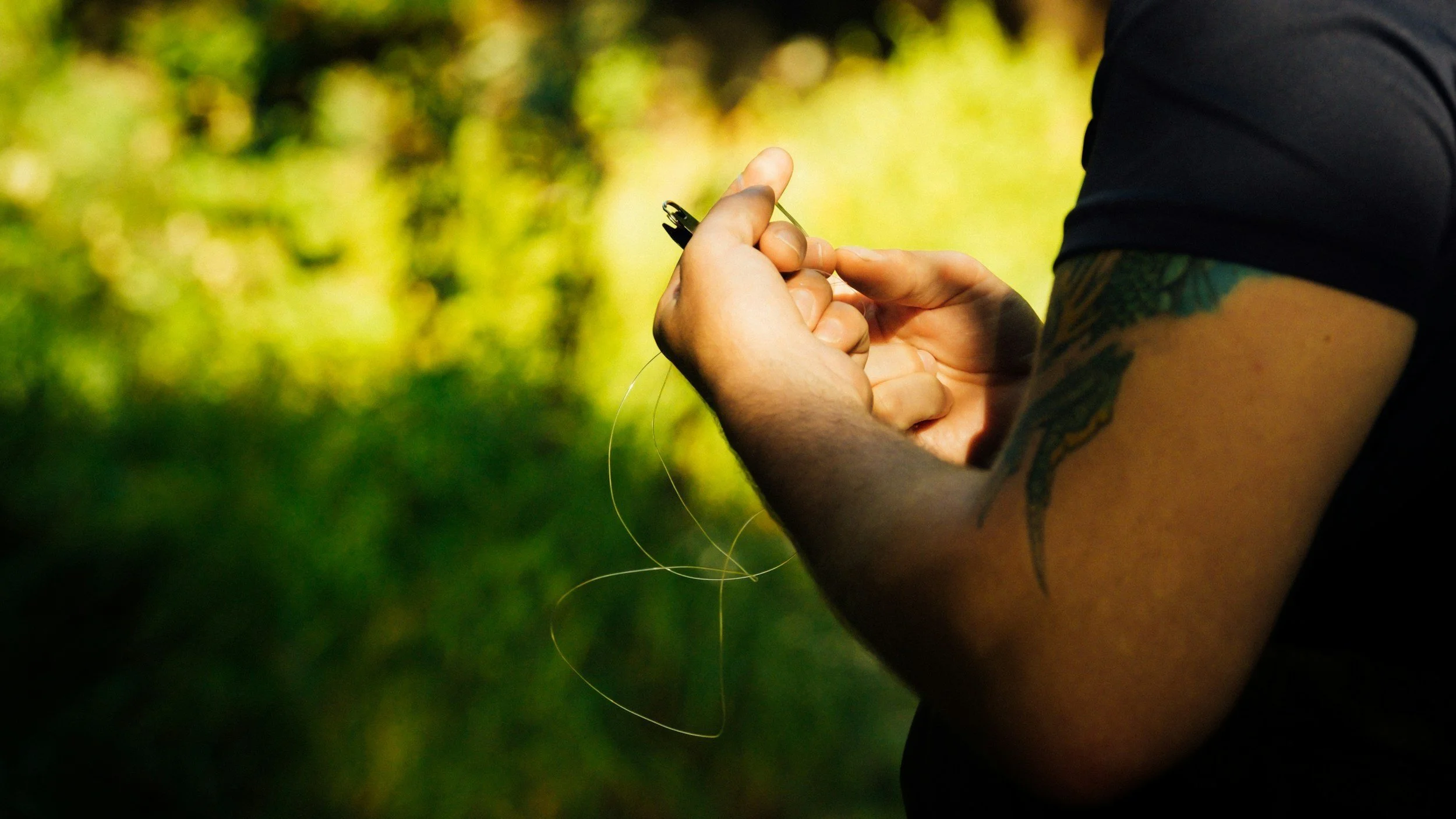
Understand Leader & Tippet Tapering: The Hidden Architecture of a Good Drift
Leader and tippet taper quietly shape how your fly turns over and drifts. This article breaks down butt sections, midsections, and tippet so you can tune your leader to the water, the fly, and the presentation you need.

Learn How to Assemble a Complete Trout Rig: Building the System That Connects You to the River
A trout rig is more than parts—it’s a functional system that connects you to the river. This guide walks you through backing, reel, line, leader, tippet, and fly so you can assemble a clean, balanced setup for Western trout water.
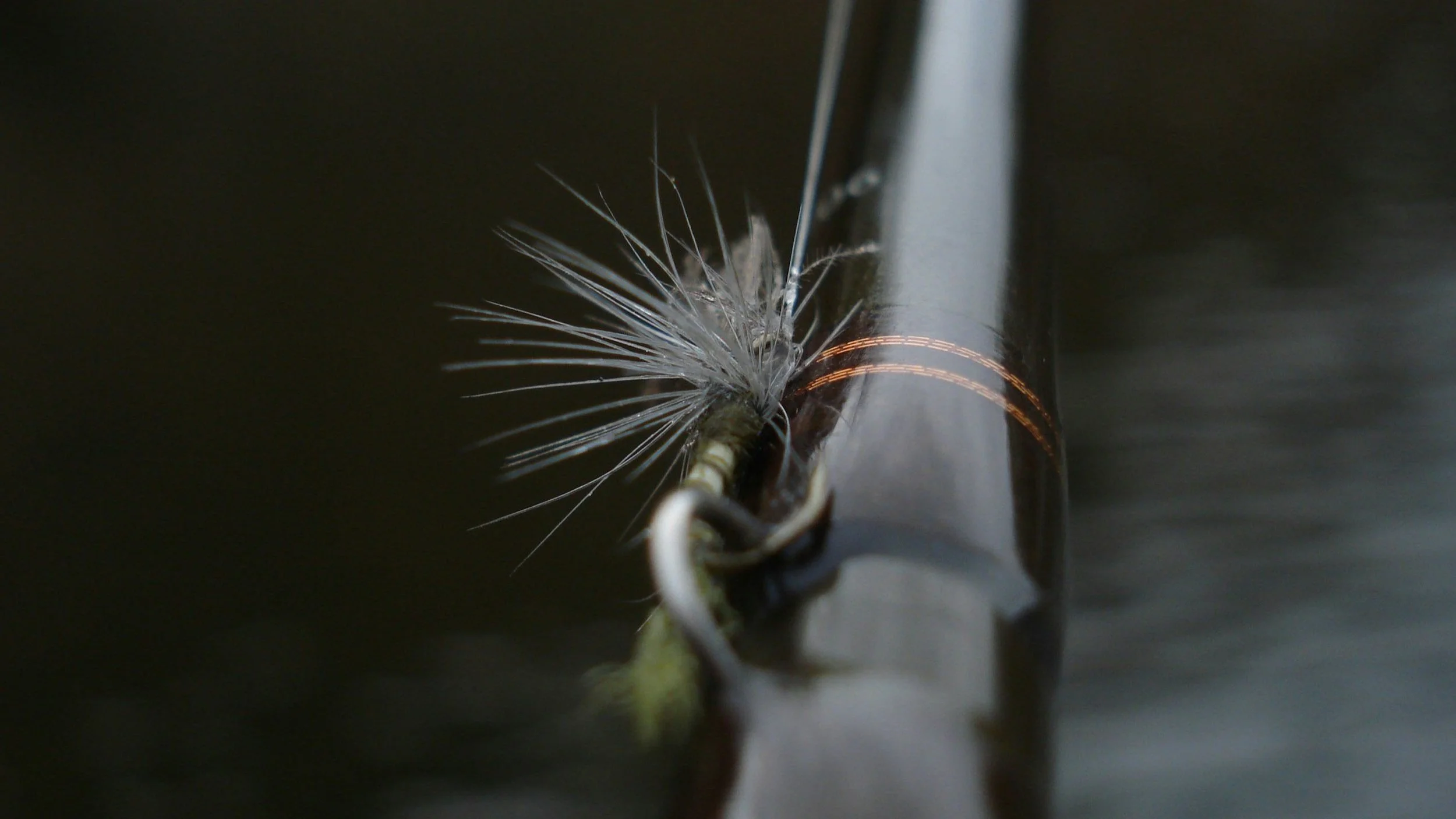
Master the Core 5 Fishing Knots: Your Quiet Foundation on the Water
Strong, simple knots are the hidden backbone of fly fishing. Here you’ll learn five core knots that cover nearly every trout situation, along with when to use each. Confidence in your knots frees you to focus on reading water and presenting the fly.
Safety on the Water: The Quiet Discipline Behind Fly Fishing
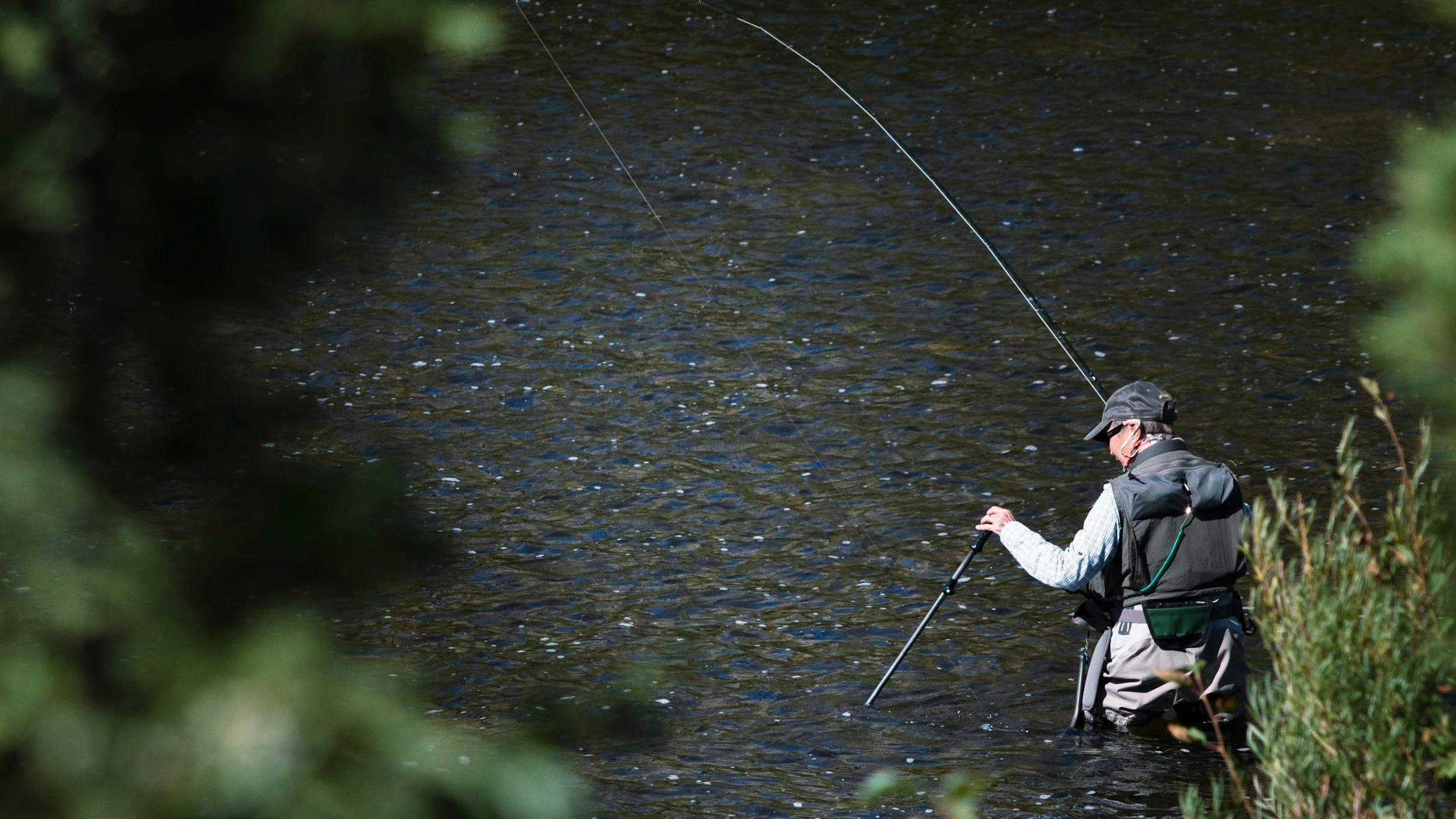
Rivers are beautiful and demanding. This article covers wading discipline, weather awareness, safe decision-making, and respectful handling of fish and gear. A few simple habits keep you safer on the water and let you relax into the fishing itself.

What Is Fly Fishing? A Beginner’s Guide to the Art, the Water, and the Trout
Fly fishing is a quiet conversation between angler, river, and trout. This guide explains what sets fly fishing apart, from casting the line to drifting a fly naturally. It’s a clear, welcoming entry point for anyone curious about the sport.
Locate Trout Holding Water: Reading the Places Where the River Pauses
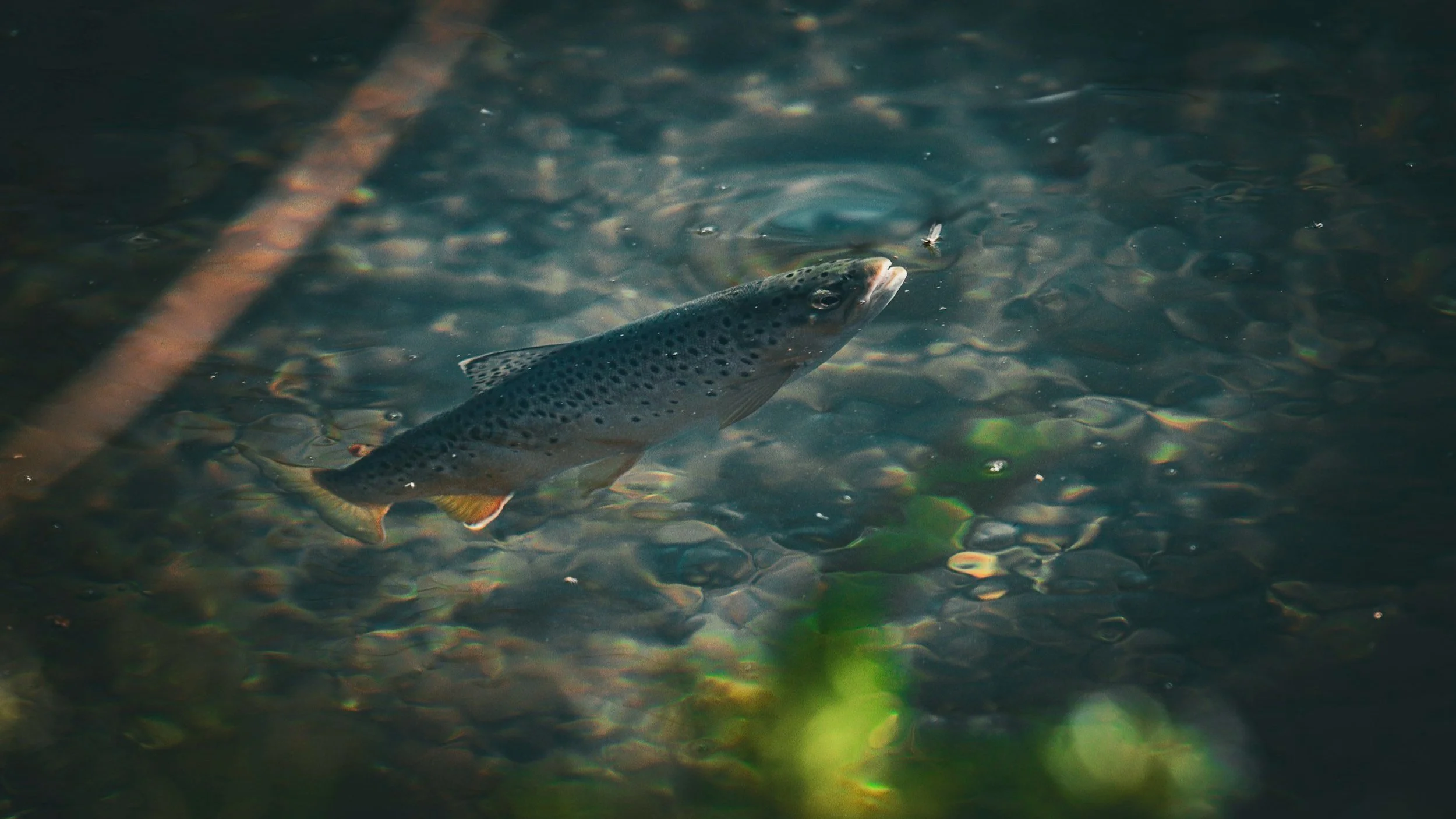
Trout hold where food is available and effort is low. This guide teaches you to spot seams, depth changes, boulders, and soft edges that create ideal holding lies so you can spend more time fishing water that actually holds fish.

Read Currents, Seams, and Eddies: Learning the River’s Internal Map
A river is a mosaic of currents, seams, and eddies that shape how your fly moves. This piece helps you see where water speeds up, slows down, and swirls, so you can plan drifts that travel through the lanes trout actually use.
Understand How Trout Feed Throughout the Day: Following the River’s Daily Rhythm
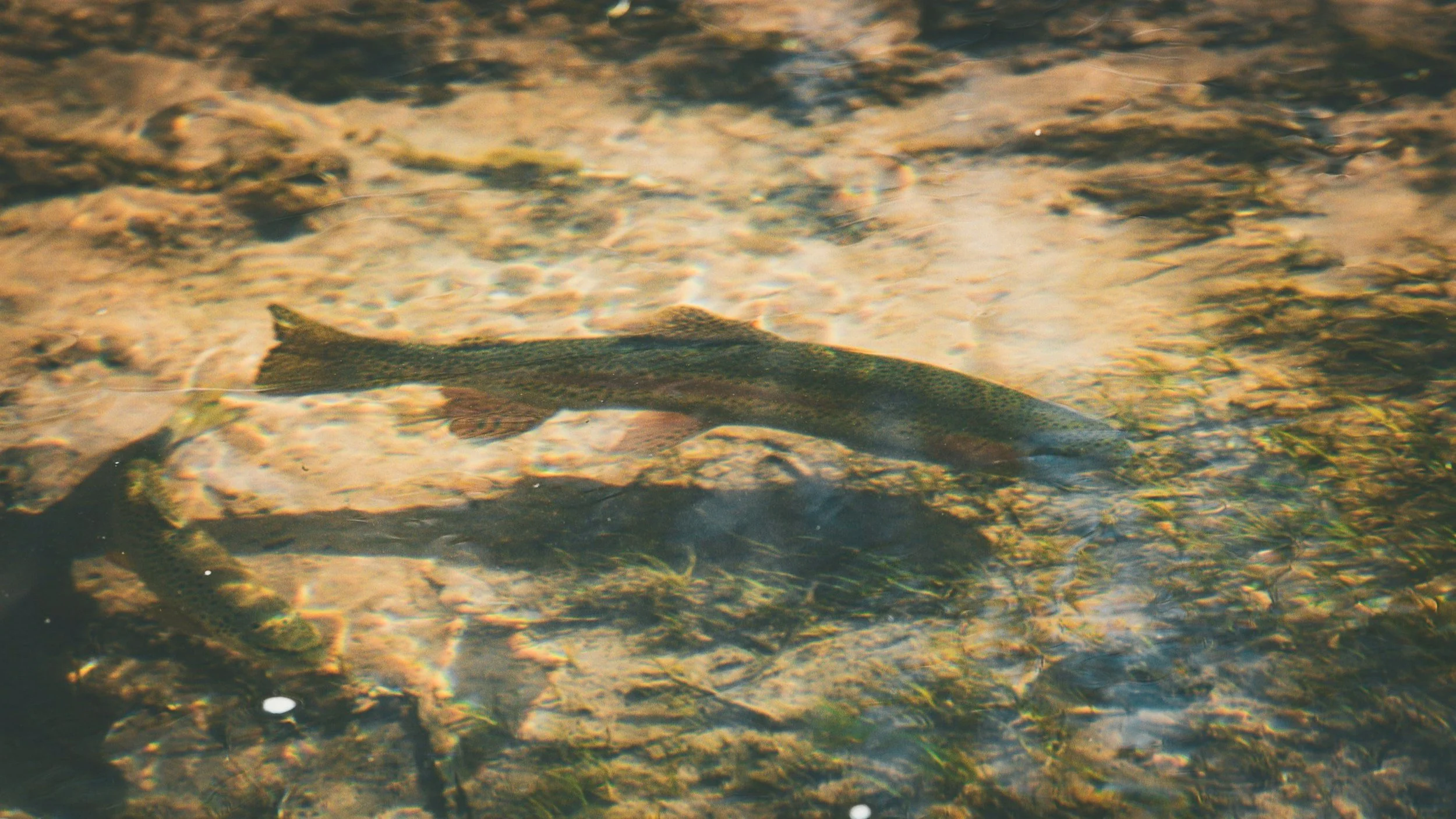
Trout feeding changes with light, temperature, and insect activity. This article explores morning, midday, and evening patterns so you can match your tactics to the river’s daily rhythm instead of fishing the same way all day.
Learn the Three Main Trout Presentations: Speaking the River’s Native Dialect
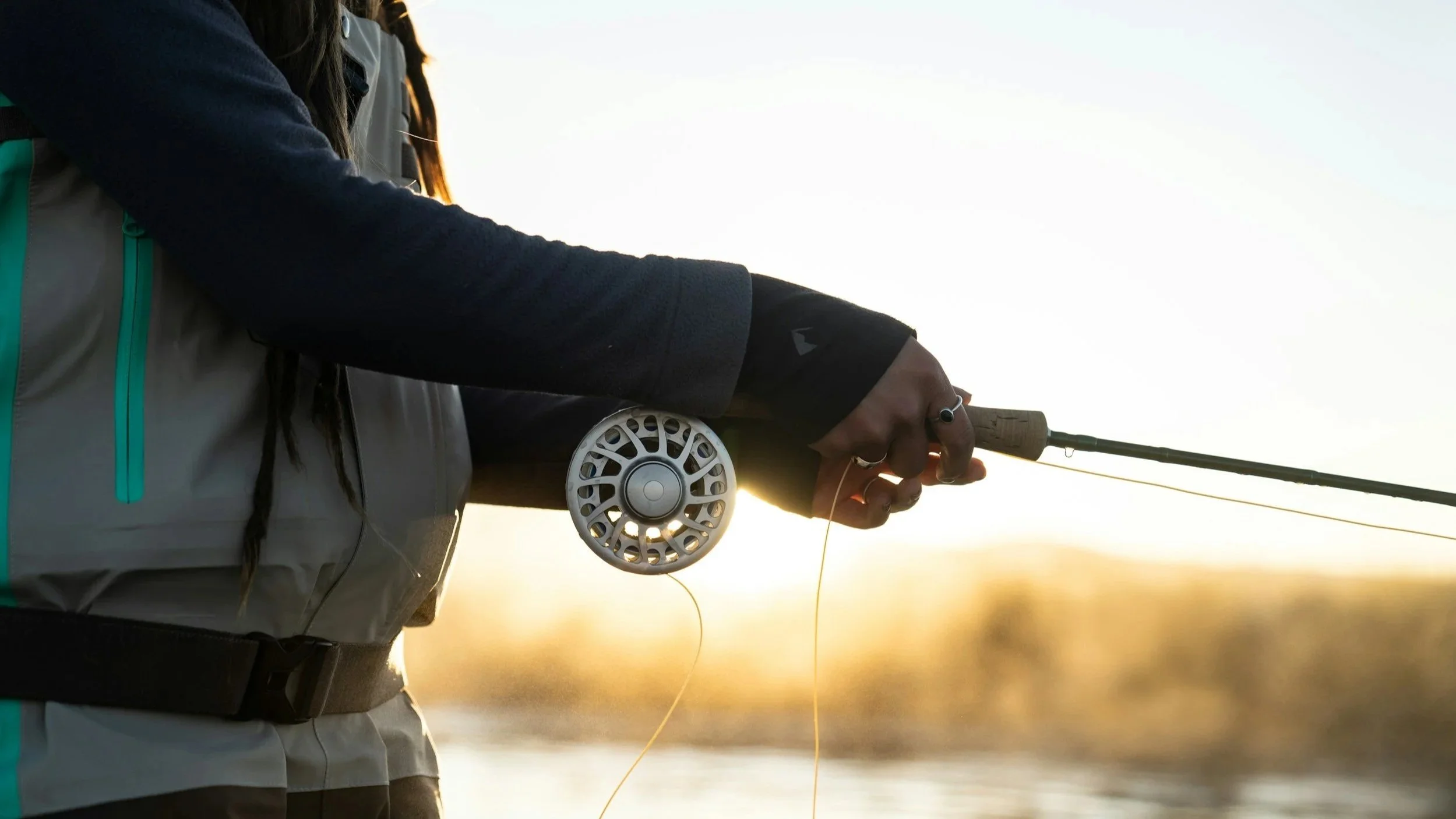
Trout presentations are different ways of letting the fly move through water. This guide focuses on three foundational styles—dead‑drift, swing, and strip—and shows when each best matches how trout are feeding in real conditions.

Fighting Fish Effectively on Light Tippet: Strength in Subtlety
Hooked trout are best handled with calm, steady pressure. This piece explains side pressure, managing runs, protecting light tippet, and shortening the fight so more fish come to hand strong and ready to swim away.
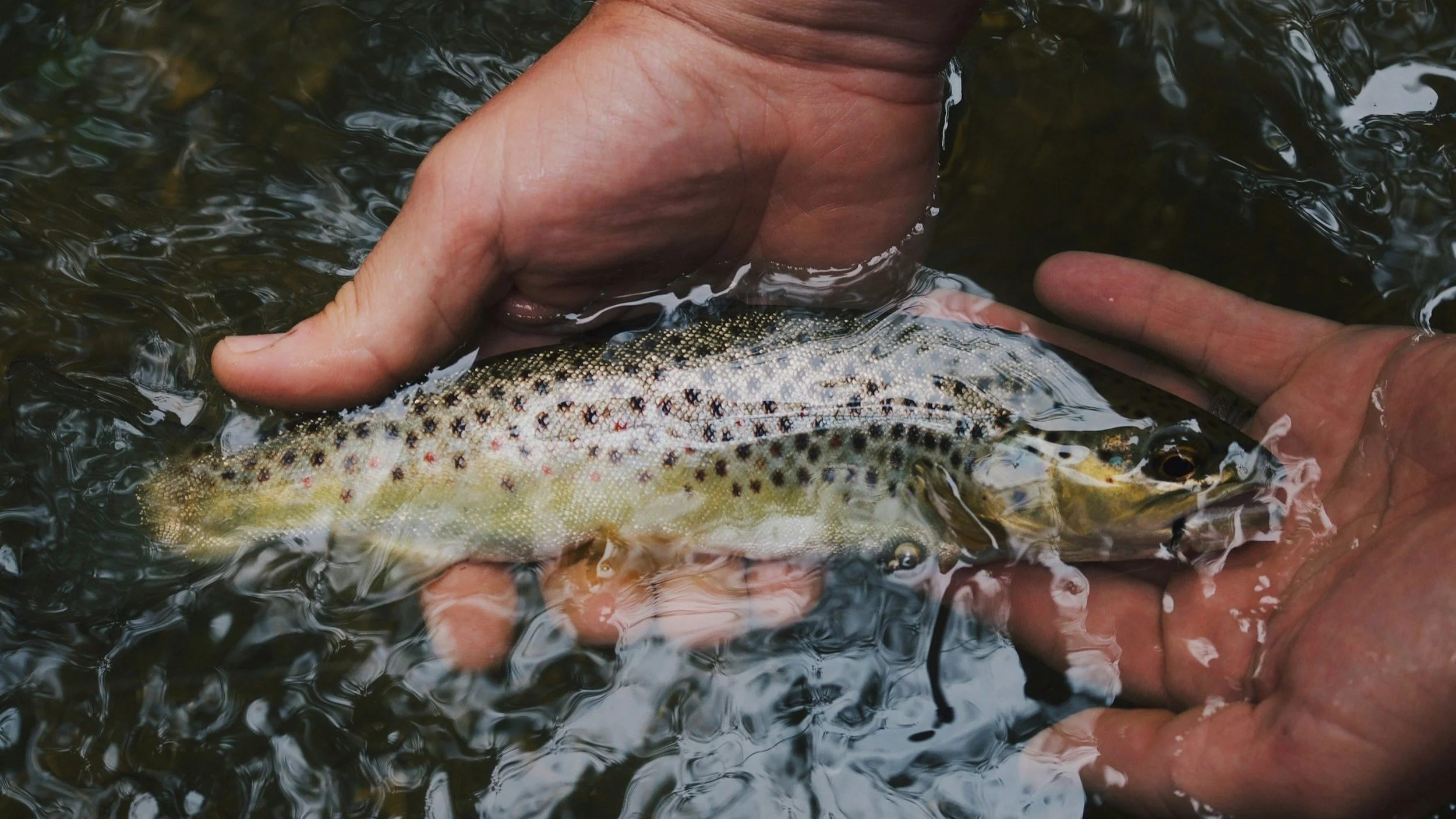
Landing & Releasing Ethically: Leaving the River Better Than You Found It
Ethical landing and release protect trout after the fight. Here you’ll learn quick landing techniques, water‑based handling, temperature awareness, and release habits that give fish the best chance to recover in good shape.

Check Flow Charts, Hatch Charts & Weather: Preparing for the River’s Mood
Rivers feel different in spring runoff, summer low water, fall cool‑down, and winter clarity. This piece helps you choose where to fish based on flows, temperatures, hatches, and access so you meet each season on its best water.
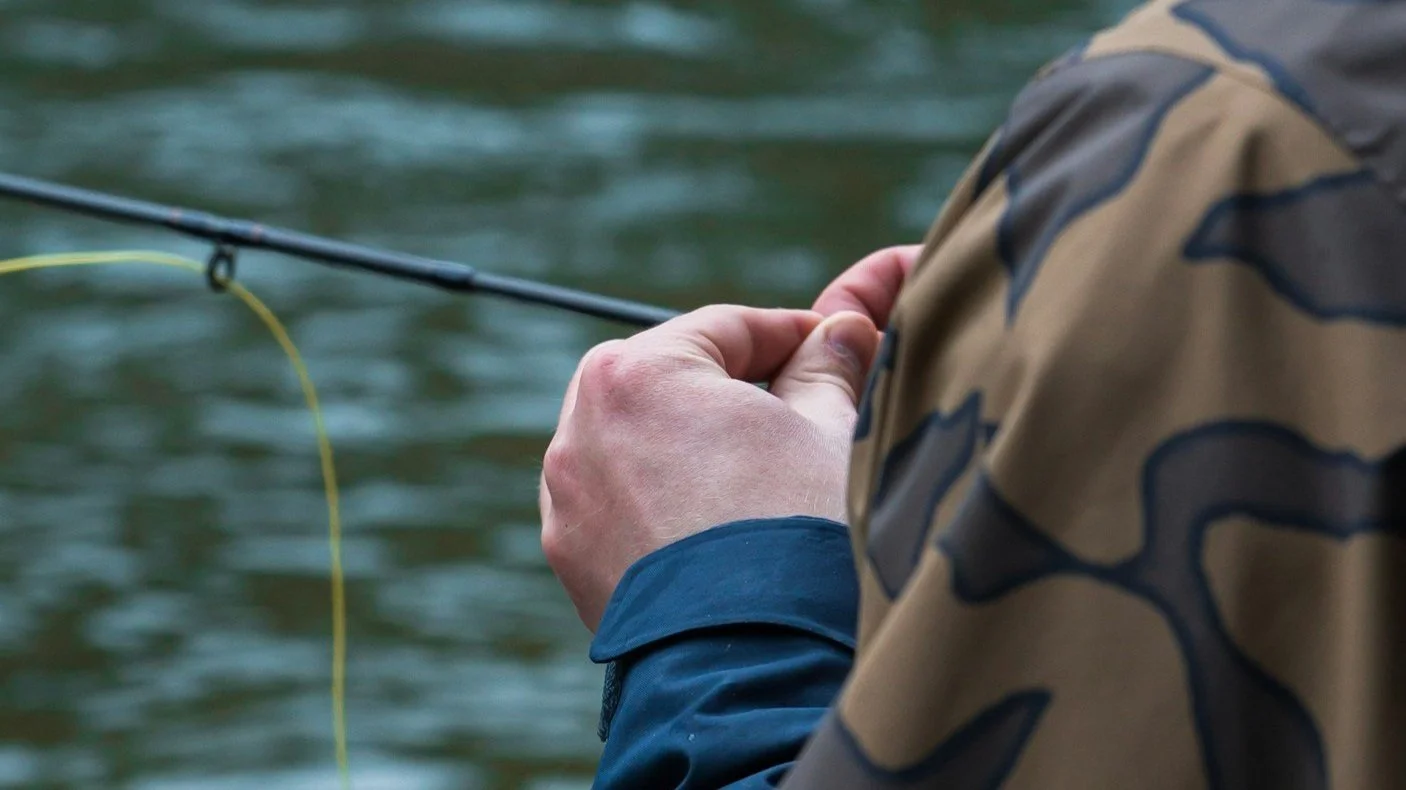
Select an Appropriate Rig for the Day: Letting the River Tell You What to Tie
The best rig for any day comes from what the river is telling you. This guide helps you choose between dry, nymph, and streamer setups—and variations of each—based on water type, depth, clarity, and trout behavior.
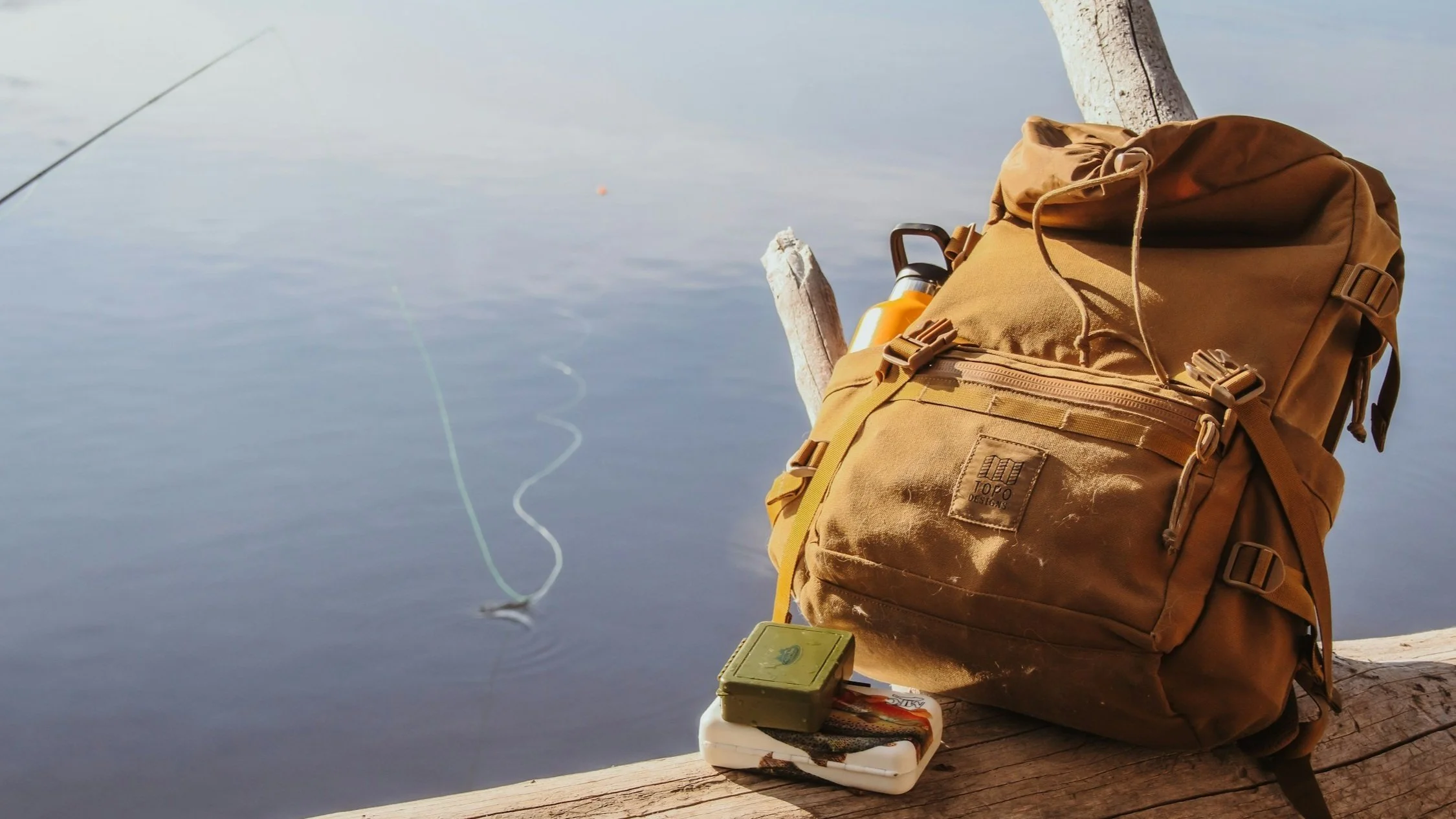
Pack Effectively: Carry What Matters, Leave the Rest for the River
A light, well‑considered pack lets you move freely and stay focused on the water. This guide suggests a practical packing approach so you bring what you truly need without weighing yourself down.