

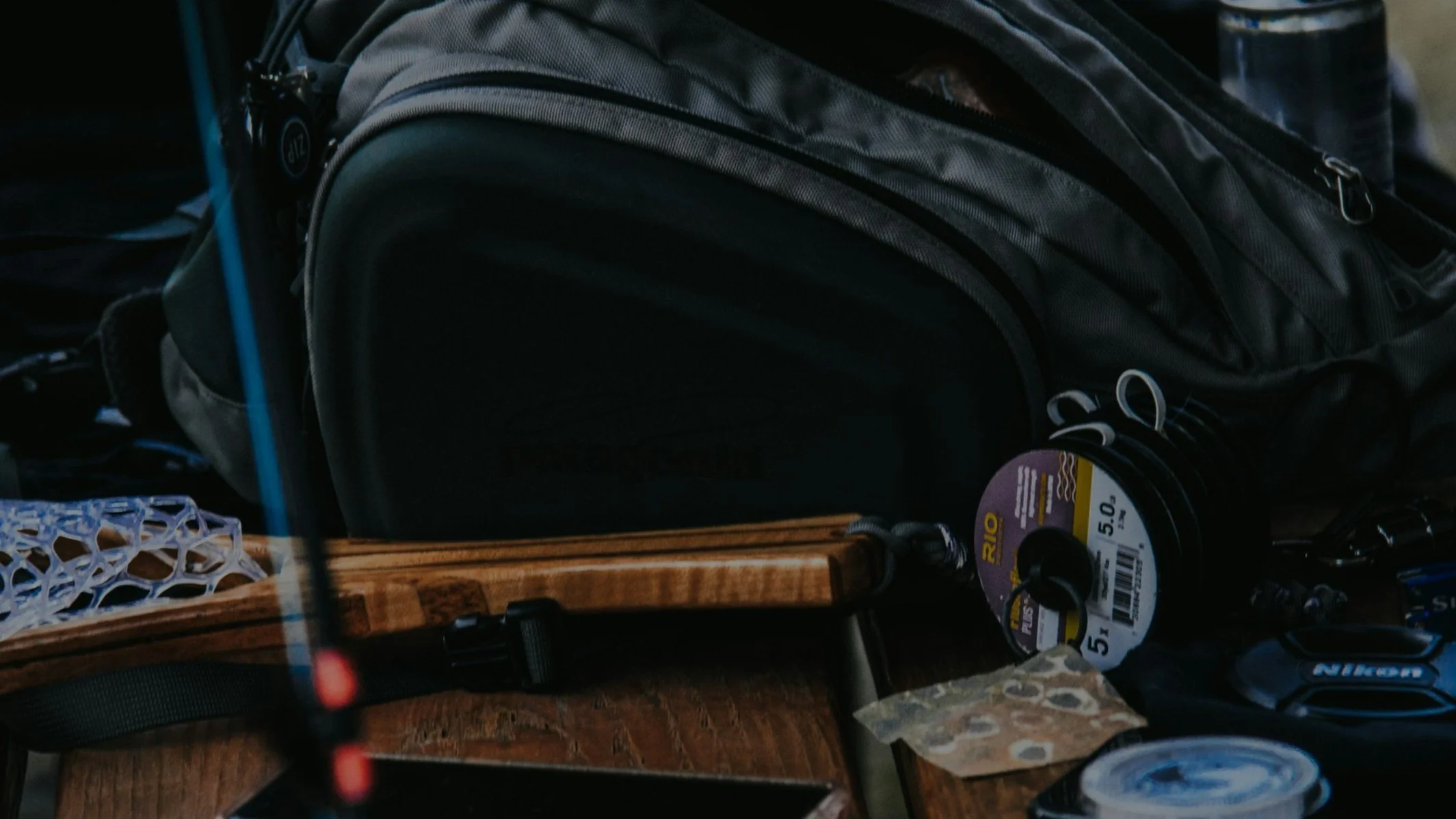
Gear Maintenance: Caring for the Tools That Carry You Into the River
Thoughtful care keeps rods, reels, lines, waders, and nets working season after season. This guide covers simple maintenance habits that protect your gear, prevent failures, and keep you ready for the next day on the river.
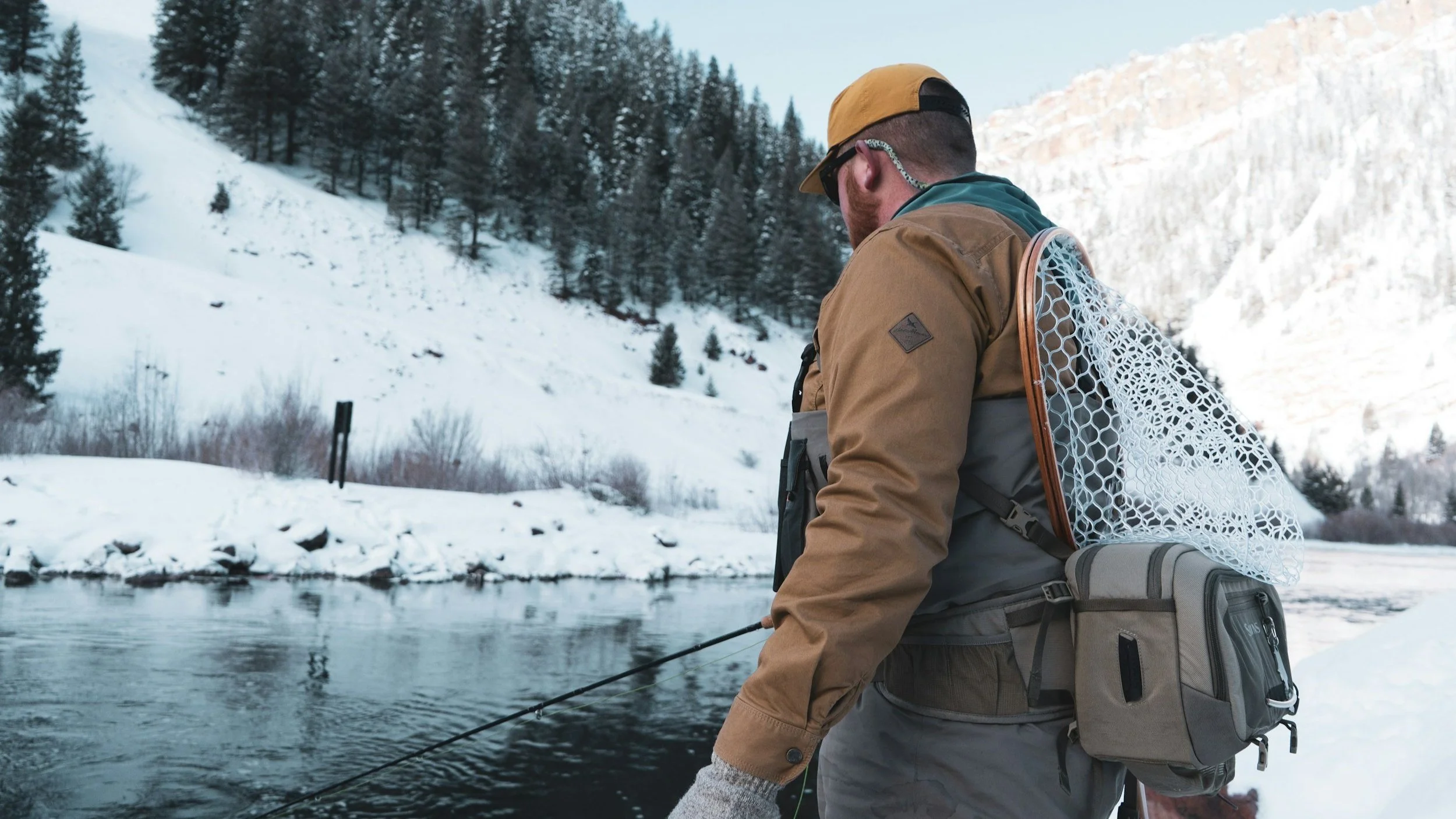
Choose a River Based on Season: Following Water, Light, and the Quiet Clues of the Year
Rivers feel different in spring runoff, summer low water, fall cool‑down, and winter clarity. This piece helps you choose where to fish based on flows, temperatures, hatches, and access so you meet each season on its best water.
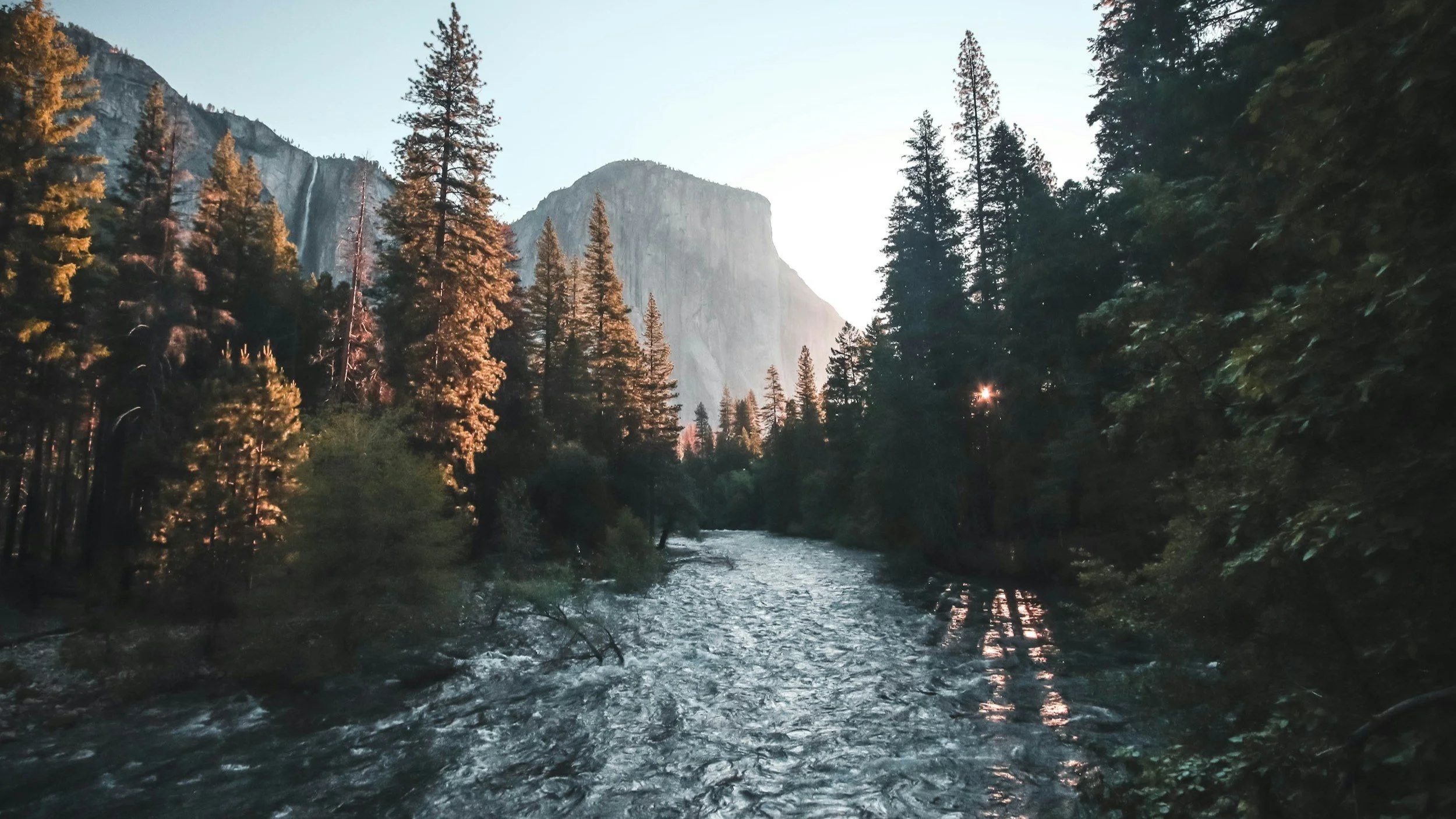
Check Flow Charts, Hatch Charts & Weather: Preparing for the River’s Mood
Rivers feel different in spring runoff, summer low water, fall cool‑down, and winter clarity. This piece helps you choose where to fish based on flows, temperatures, hatches, and access so you meet each season on its best water.
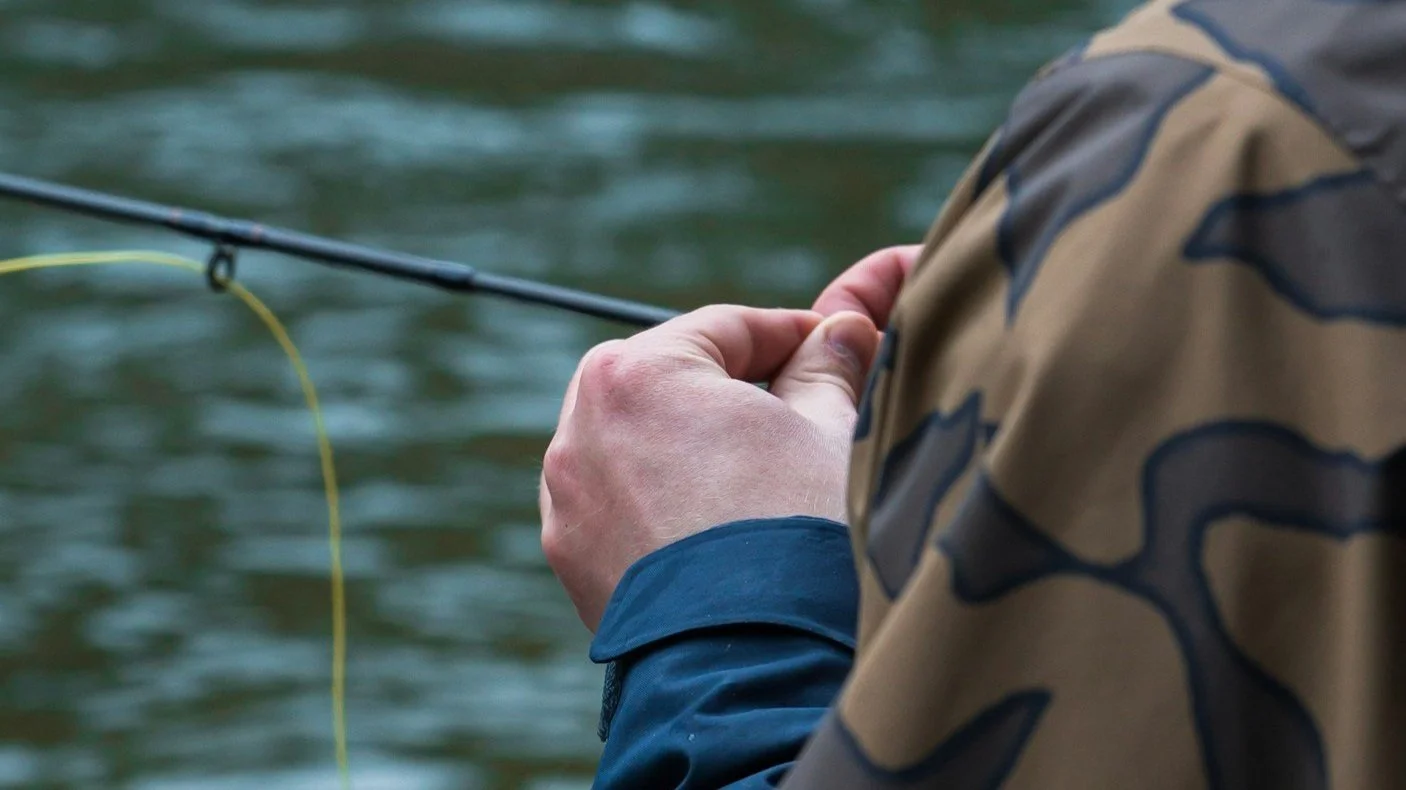
Select an Appropriate Rig for the Day: Letting the River Tell You What to Tie
The best rig for any day comes from what the river is telling you. This guide helps you choose between dry, nymph, and streamer setups—and variations of each—based on water type, depth, clarity, and trout behavior.
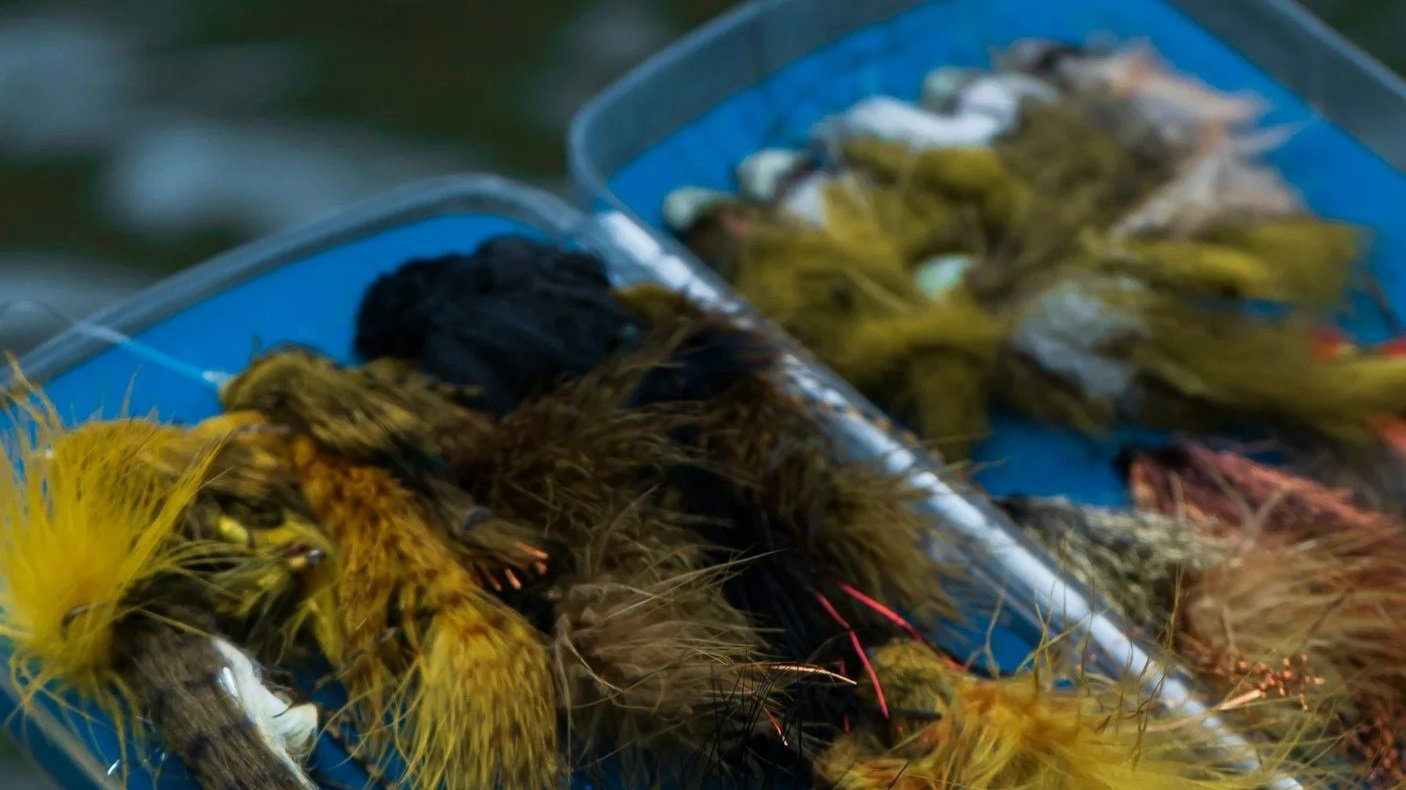
Build a Modular Fly Box by Season: Carry Only What Matters, When It Matters
A modular, seasonal fly box keeps decisions simple. This piece shows how to organize patterns by season and role so you carry what matters most, find flies quickly, and avoid hauling around unused clutter.
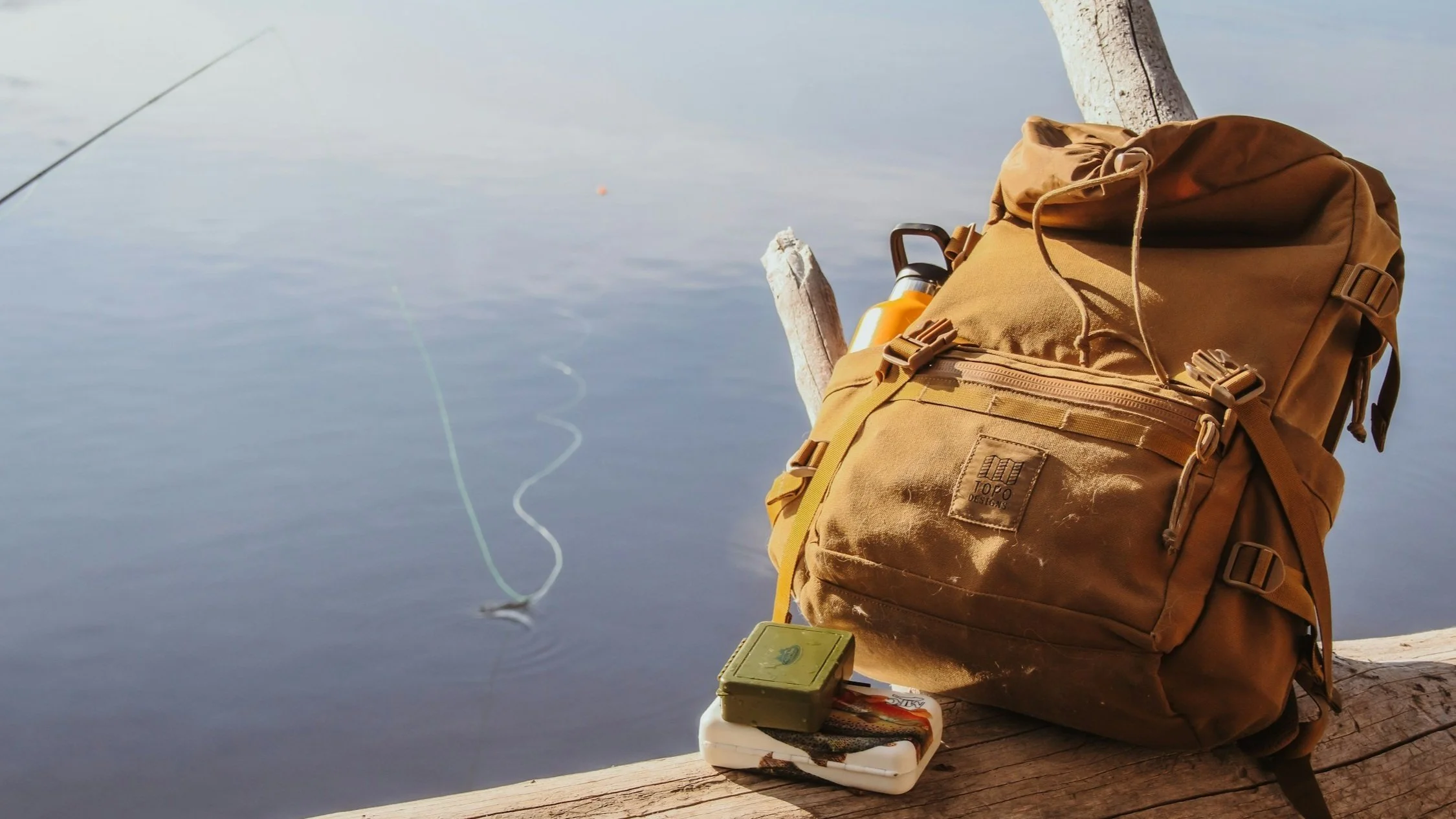
Pack Effectively: Carry What Matters, Leave the Rest for the River
A light, well‑considered pack lets you move freely and stay focused on the water. This guide suggests a practical packing approach so you bring what you truly need without weighing yourself down.
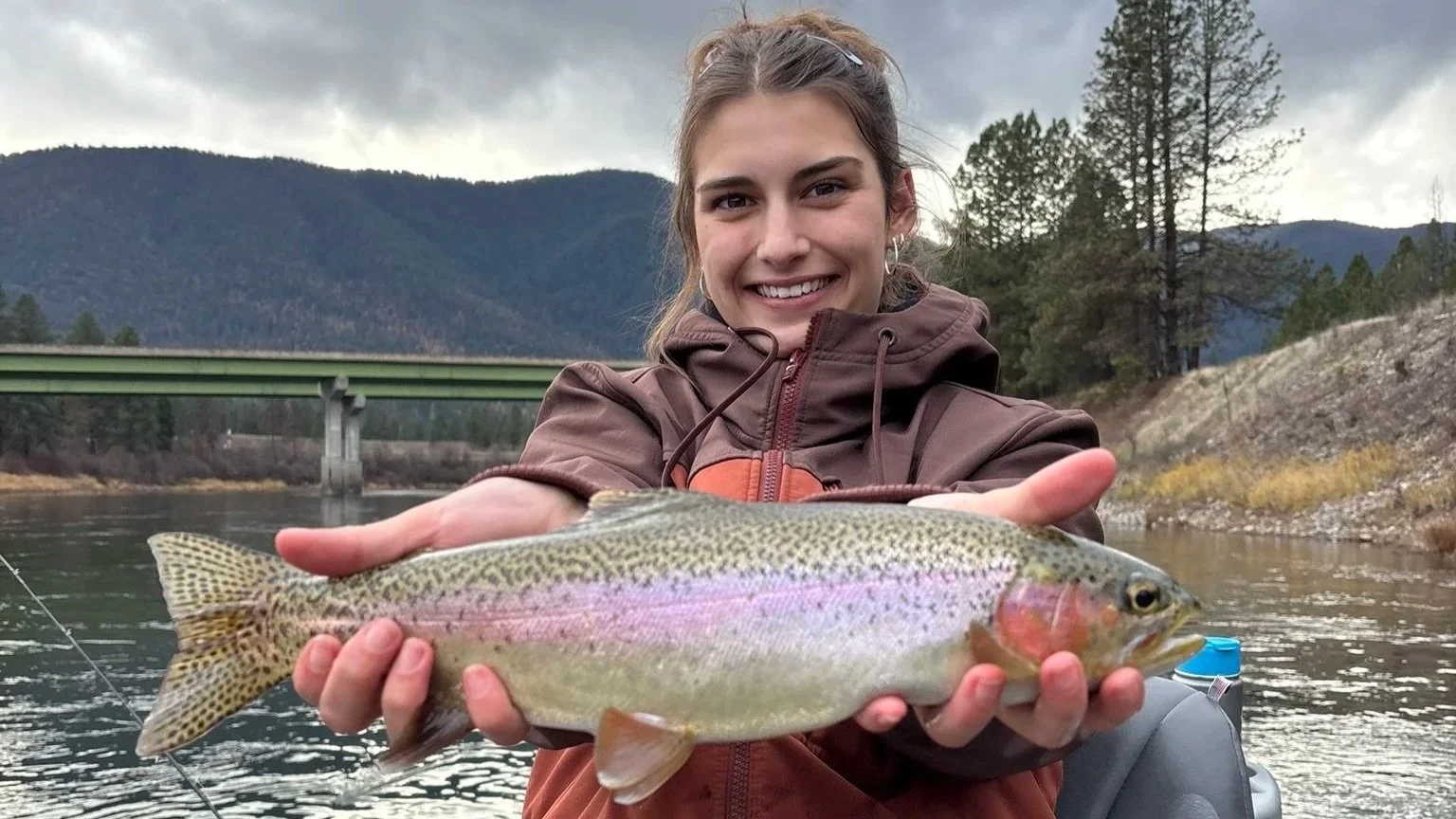
Reading the Lower Clark Fork: A Fly Fisher’s Guide to a River That Never Repeats Itself
The lower Clark Fork is big, changing water. This guide highlights its key structures, seasonal flows, and major hatches, helping you read its broad currents and find the trout lanes within a powerful river.
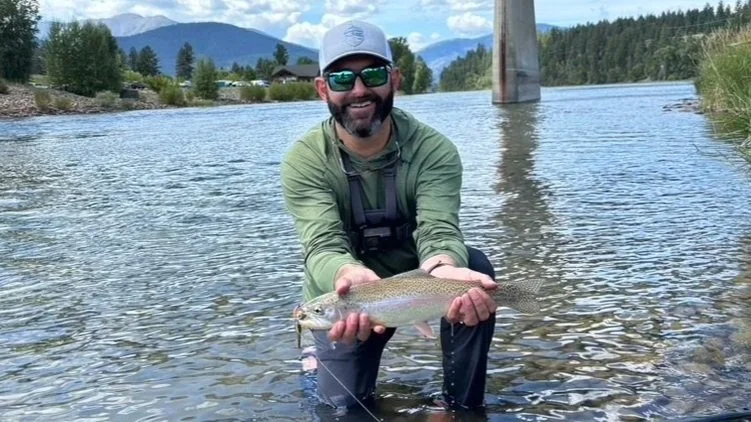
Understanding the Montana Kootenai: A Fly Fisher’s Guide to a River of Contrasts
The Montana Kootenai is a cold, clear tailwater full of contrasts. This article explores its flows, structures, and subtle hatches, offering a framework for approaching this complex, beautiful river with confidence.
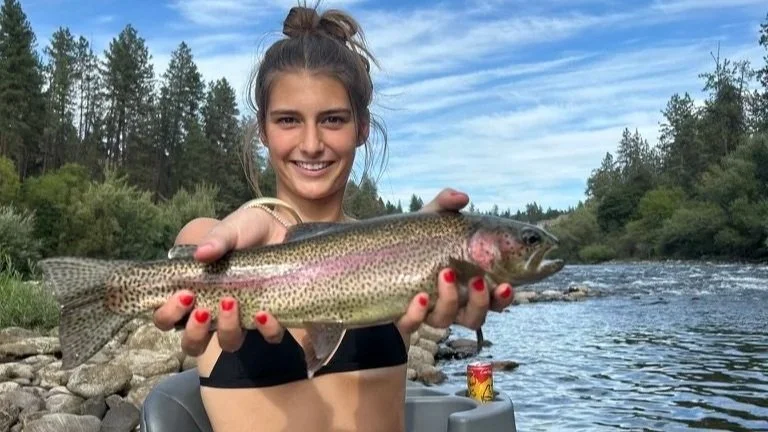
Fishing the Upper Spokane: Learning the Rhythm of a Wild River Hiding in Plain Sight
The Upper Spokane hides wild segments inside a familiar landscape. This guide focuses on reading its shelves, slots, and seams, and understanding how flows and insects shape trout behavior through the year.
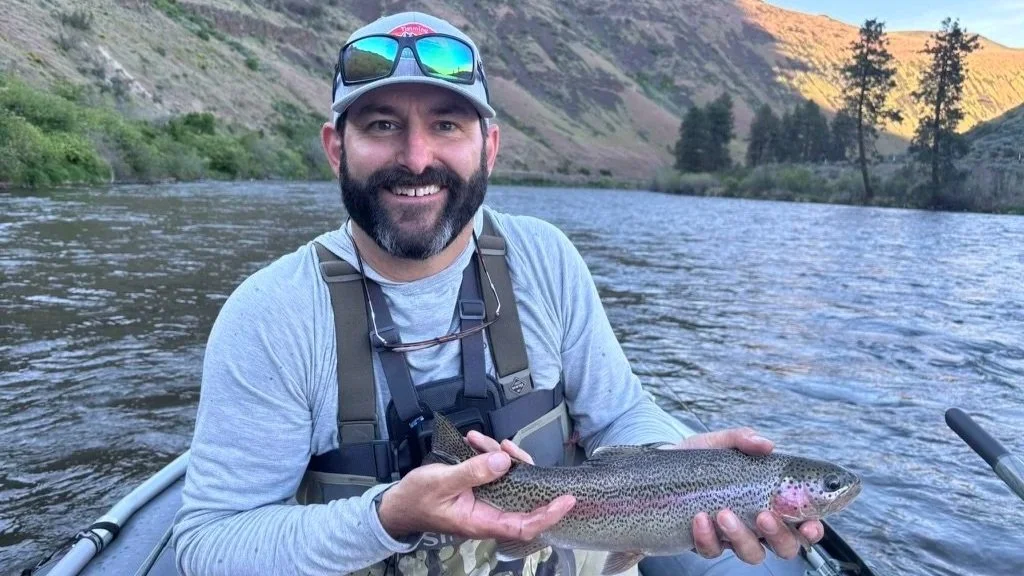
The Yakima Canyon: Learning the Pulse of Washington’s Most Famous Trout Water
The Yakima Canyon is one of Washington’s signature trout fisheries. This piece walks through its defining features, key hatches, and seasonal patterns so you can approach the canyon with more context and intention.
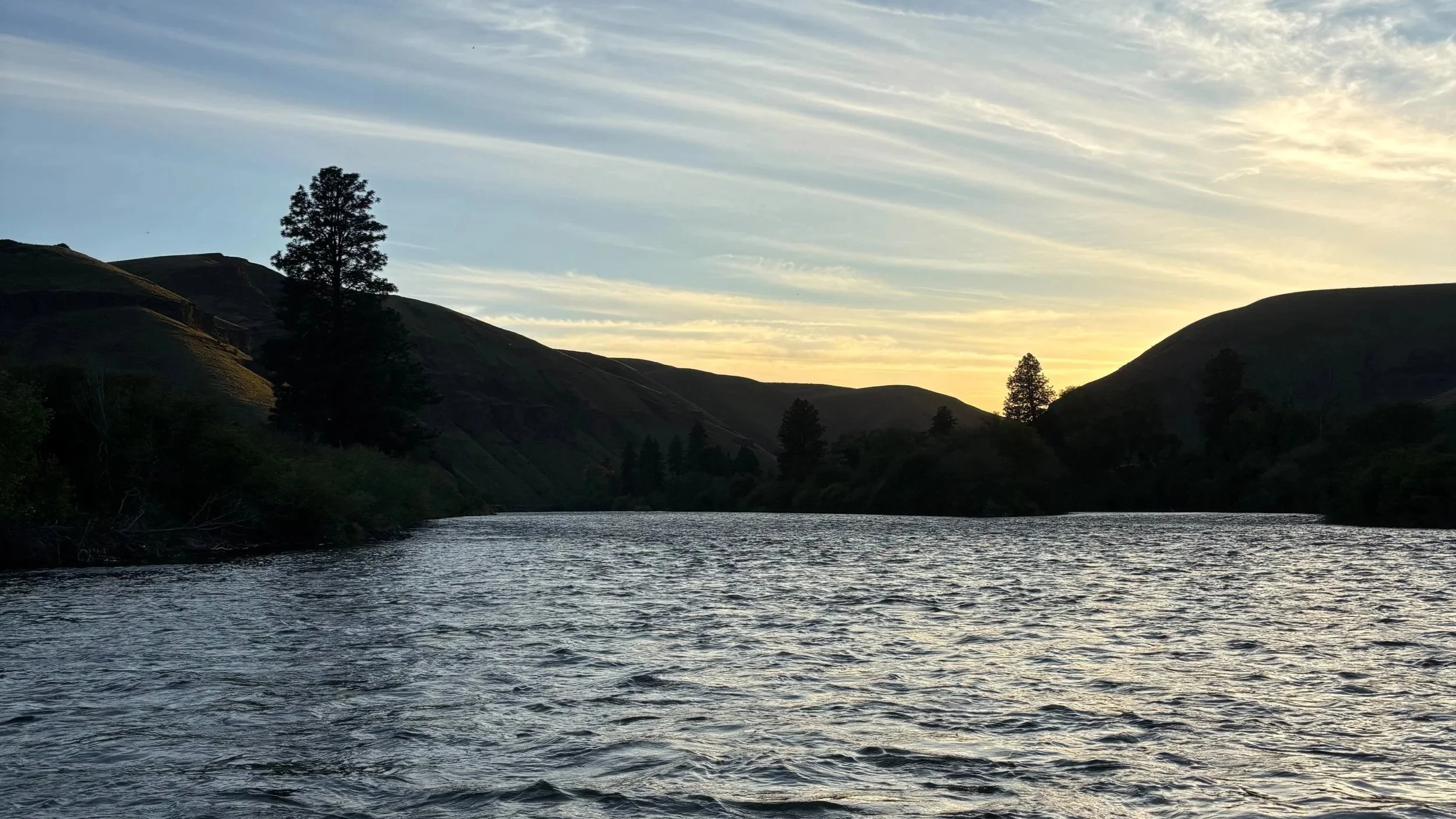
The Language of Light: Understanding the Hatches of the Yakima Canyon
In the Yakima Canyon, light often dictates hatch timing and trout response. This article looks at how changing light, weather, and season interact with the canyon’s insect life and surface activity.
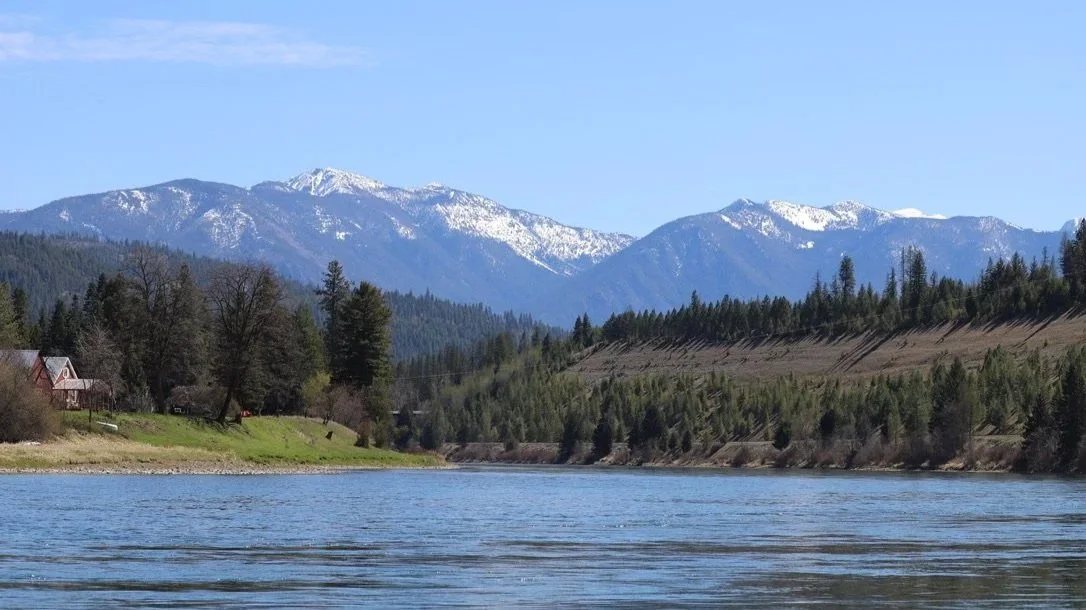
The Subtle River: A Deep Dive into the Hatches of the Montana Kootenai
The Kootenai’s hatches can be quiet and refined. This guide dives into the river’s key insect cycles and shows how flows and water clarity shape when and how trout feed on top and just below the surface.
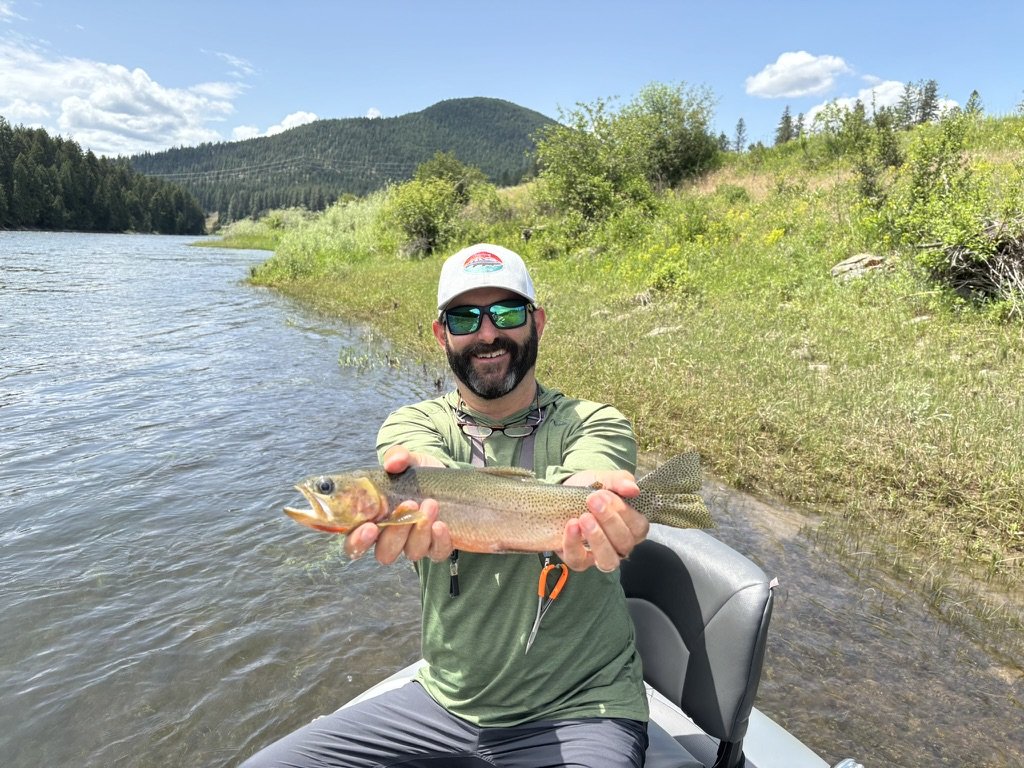
The River of a Million Meals: A Deep Dive Into the Hatches of the Lower Clark Fork
The lower Clark Fork is rich with insect life. This deep dive explores its major hatches, how food spreads across broad water, and how trout position to take advantage of the river’s abundance.
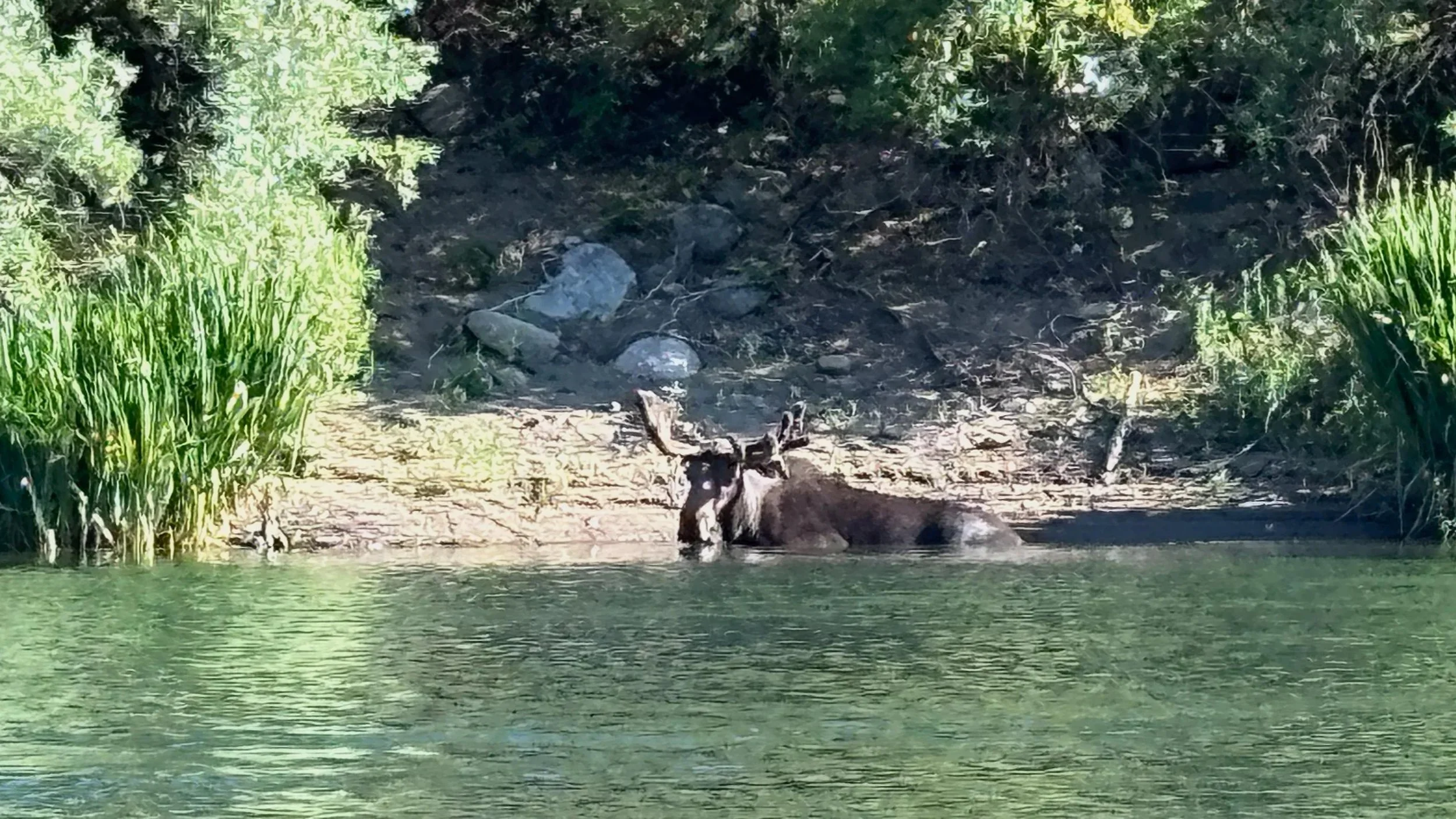
The Urban Hatch: A Deep Dive Into the Insects of the Spokane River
The Spokane River supports a surprising insect community in an urban setting. This article examines its key hatches and how trout use them, helping you time your outings and match patterns more precisely.
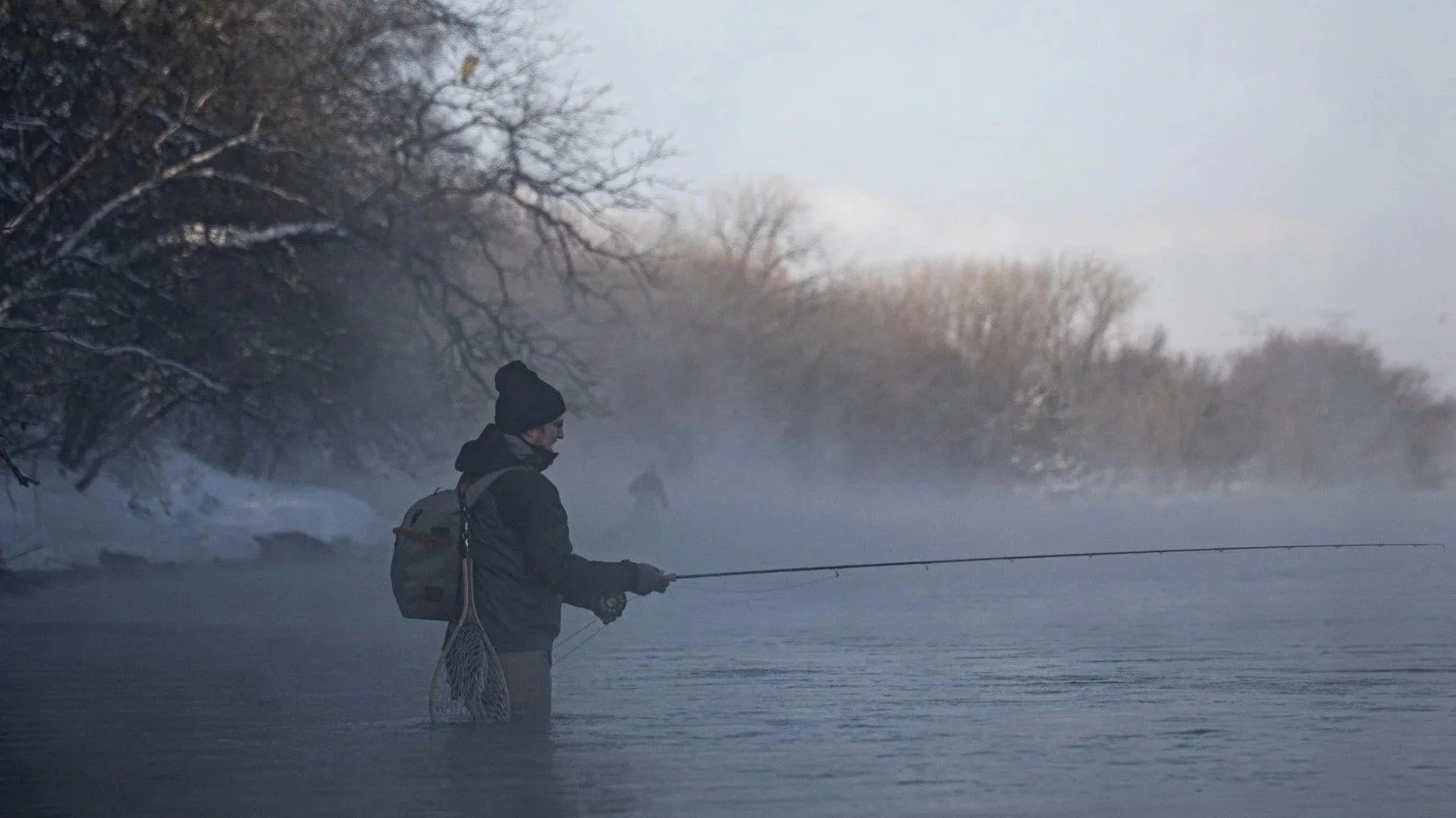
Fishing the Skwala
Among the many hatches that occur throughout the year, the Skwala stonefly emergence stands out as a favorite for many fly fishers. Unlike the better-known mayfly hatches of summer or the blanket stonefly emergences of early spring, the Skwala hatch arrives when rivers are still waking from winter’s grip—often in late February through April.

Turbidity and Trout
Increased turbidity can significantly impact trout behavior, altering their feeding habits, movement patterns, and angling response. As water clarity decreases due to sediment, runoff, or algal blooms, trout rely more on their lateral line and scent detection rather than sight. They tend to favor slower-moving prey, seek cover in structured areas, and become less wary of predators. For fly fishers, adapting to these conditions with larger, high-contrast flies, slower presentations, and strategic positioning in current seams can greatly improve success. Understanding how turbidity influences trout can turn challenging conditions into rewarding fishing opportunities.