

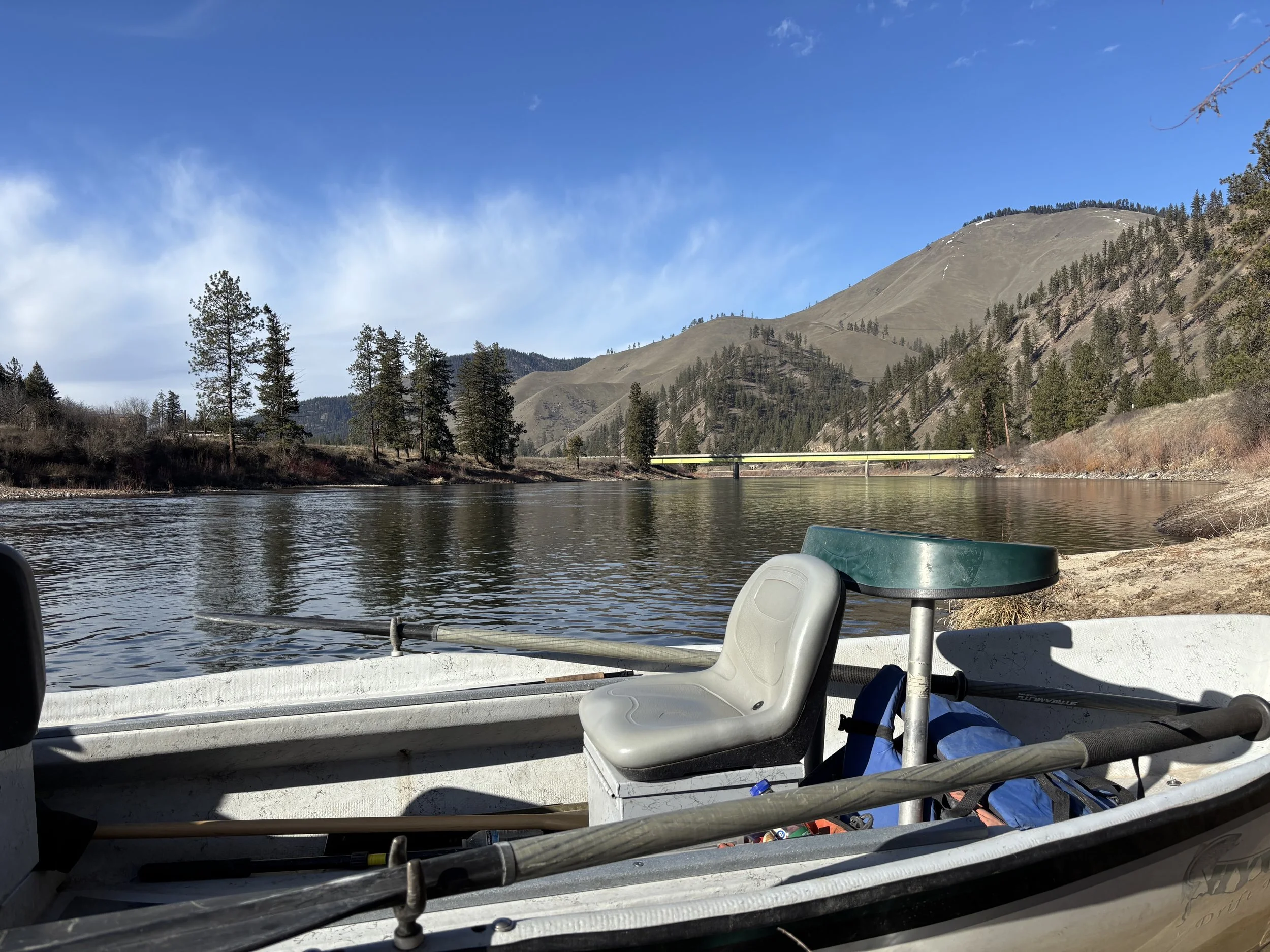
Clark Fork River
A River With Deep History
The Clark Fork River is one of Montana’s great trout rivers, winding through broad valleys and classic Western landscapes.
Long float stretches reveal changing water types—from shallow riffles to deeper runs where trout feed along current seams.
Long before modern anglers floated its bends, tribal nations including the Salish, Pend d’Oreille, and Kootenai peoples moved seasonally through this watershed, fishing its waters and gathering along its banks. The river was part of a much larger landscape of seasonal movement, trade, and community that shaped life in the Northern Rockies for thousands of years.
In the centuries that followed, the Clark Fork valley became an important corridor for exploration, settlement, and industry. Mining, railroads, and agriculture all left their mark on the watershed, and the river itself has been the focus of significant restoration efforts over the past several decades.
Today the Clark Fork flows through that layered history—broad water moving quietly through cottonwood bottoms and open valleys. Fishing here offers a reminder that rivers hold far more than trout. They carry stories that reach back long before modern recreation became part of the landscape.
What Makes the Clark Fork Unique
Classic Montana floats
Long river stretches ideal for drift boat fishing.
Diverse trout habitat
Riffles, bends, and deeper runs support healthy trout populations.
Beautiful surroundings
Cottonwoods, wide valleys, and open skies define the experience.
When to Fish the Clark Fork
Spring: Spring runoff can bring higher flows, but trout remain active along softer edges and deeper runs.
Early Summer: As flows settle, insect activity increases and trout begin feeding more consistently.
Late Summer: Terrestrial insects become an important food source, and early morning or evening fishing can be particularly productive.
Fall: Cooler weather and reduced pressure often make fall one of the most pleasant times to fish the Clark Fork.
How We Fish the Clark Fork
Most guided days on the Clark Fork take place from a drift boat, which allows us to move efficiently through long stretches of productive water while positioning anglers for natural presentations.
The river’s character changes throughout a float. Shallow riffles give way to deeper runs, sweeping bends, and long current seams where trout position themselves to intercept drifting insects.
Depending on the time of year and conditions, a day on the Clark Fork may include several different approaches.
Often we begin by working deeper runs and current seams with nymph rigs, adjusting depth carefully as we move through the water. During periods of strong insect activity, trout may shift into feeding lanes along softer edges and seams where dry flies become the focus.
At other times, particularly in cooler water or along structured banks, streamer fishing can produce aggressive strikes from trout holding tight to cover.
Because the Clark Fork offers such varied water types, much of the day revolves around careful observation—watching how current moves through each stretch of river and adjusting presentation to match the way trout are feeding.
Like many classic Western rivers, the Clark Fork rewards anglers who slow down, read the water carefully, and make small adjustments along the way.
Planning Your Day
Trip Style: Full-Day Float
Skill Level: Beginner through Experienced
Season: Spring through Fall
The Clark Fork offers long, varied floats through classic Montana trout water. Depending on conditions, a day here may emphasize nymphing deeper runs, fishing dry flies during hatch windows, or covering structure with streamers.
Some anglers request the Clark Fork by name. Others prefer to select a date and allow flows, weather, and recent time on the water to guide the final river choice.
The goal is always the same: to place anglers on the strongest water available and create a day worth remembering.