Fly Fishing the Inland Northwest
Not just in how it looks, but in how it behaves—how it responds to weather, to flows, to the time of year. Two rivers that are only a few hours apart can feel completely different on the same day.
That’s part of what makes this work interesting.
It’s also part of why choosing the right river matters more than most people expect.
Each river has its own personality
A lot of people come into this with the same question:
“What’s the best river right now?”
The honest answer is that there usually isn’t one. There’s only the river that lines up best with current conditions—and with what you want out of the day.
Some rivers are more forgiving. Some are more technical. Some fish better under certain flows, or certain weather patterns, or at certain times of year.
My job is to understand how each of these rivers is trending, and to match that with the kind of day you’re looking for.
There Isn’t a “Best” River
How I Think About River Selection
A few days before your trip, I’m looking at all of the water I have access to at once.
Flows. Clarity. Weather patterns. Pressure. How each river has been fishing, and how it’s likely to change.
No river exists in isolation. The decision only makes sense when you look at them together.
From there, I narrow things down to what gives us the best overall day—not just the best chance at fish, but the best experience start to finish.
Sometimes that means choosing the most productive water.
Sometimes it means choosing the water that feels right for the people on the trip.
Rivers We Fish
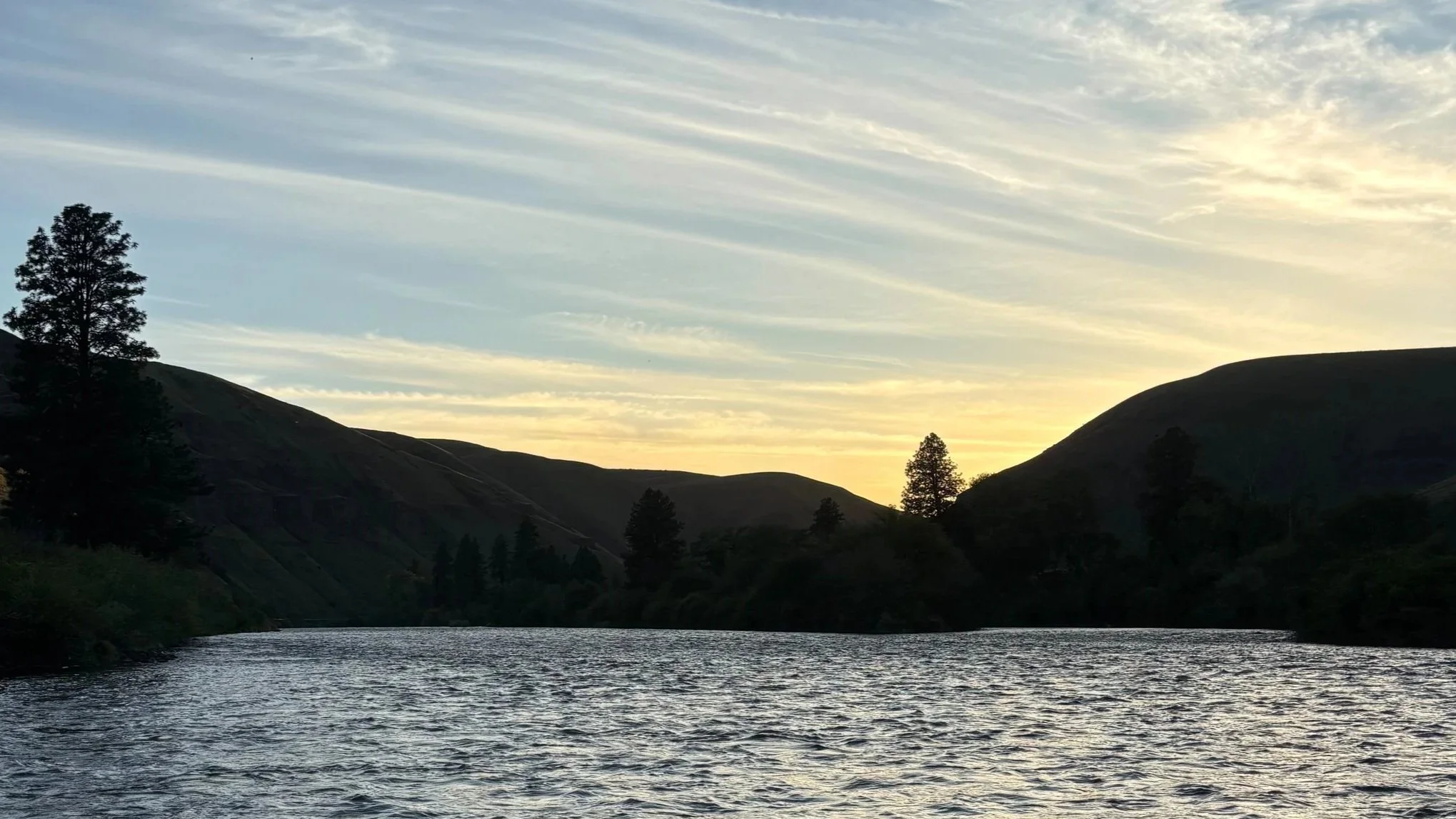
Washington’s only Blue Ribbon trout river flows east from the Cascade Range through basalt canyon country, creating one of the region’s most reliable fisheries.
The Yakima offers diverse water—riffles, seams, and long glides that support strong trout populations and consistent insect activity throughout much of the season.
The Yakima is one of the most well-rounded rivers in the region.
It’s structured, predictable in the right ways, and often more forgiving—especially for anglers building confidence or looking for a steady day.
That doesn’t mean it’s simple. It just means it tends to show you what’s happening more clearly.
👉 Best suited for: newer anglers, or anyone looking for a balanced, approachable day
👉 What it offers: consistency, variety, and a clear picture of how fish are behaving
Yakima River
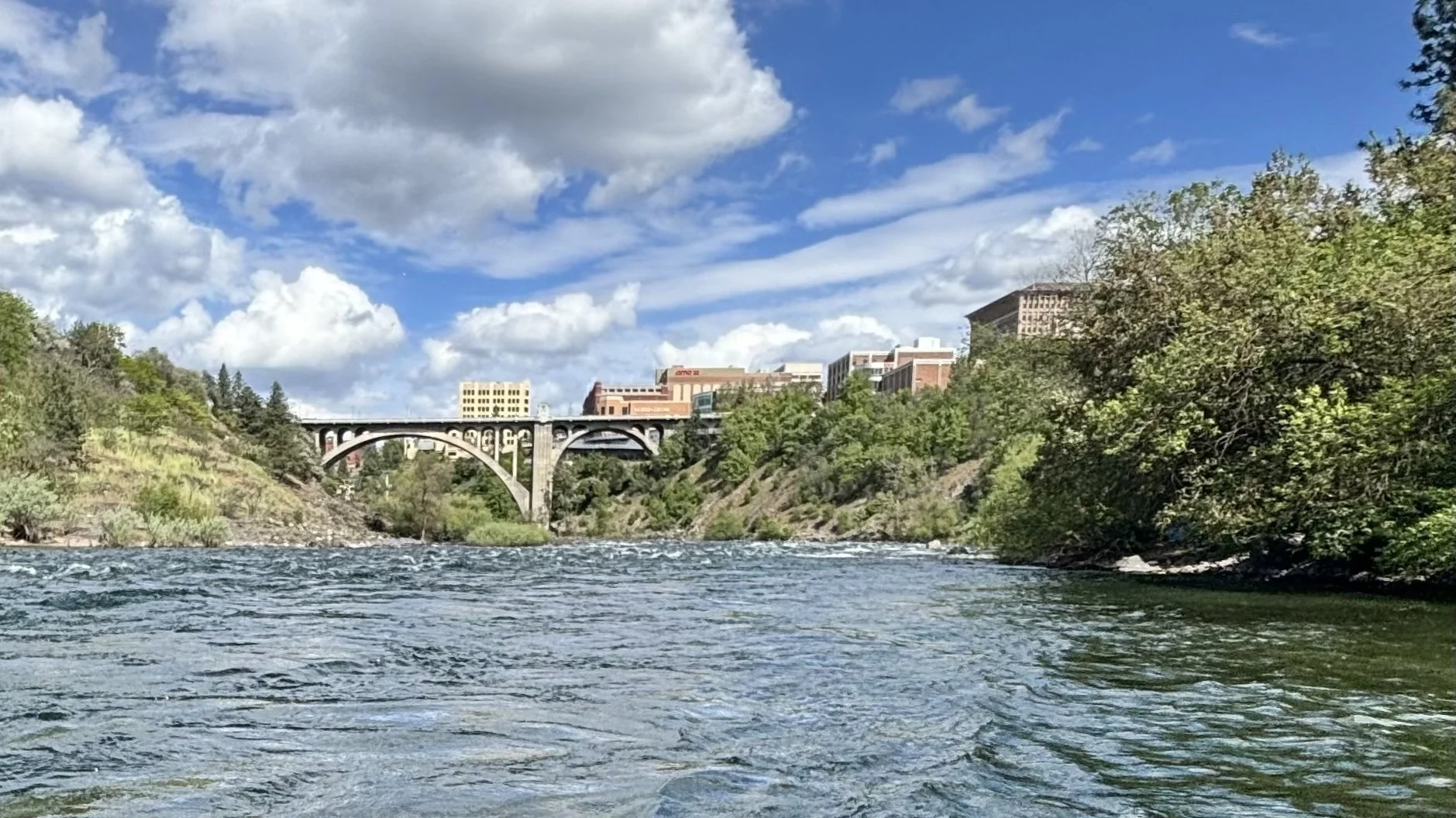
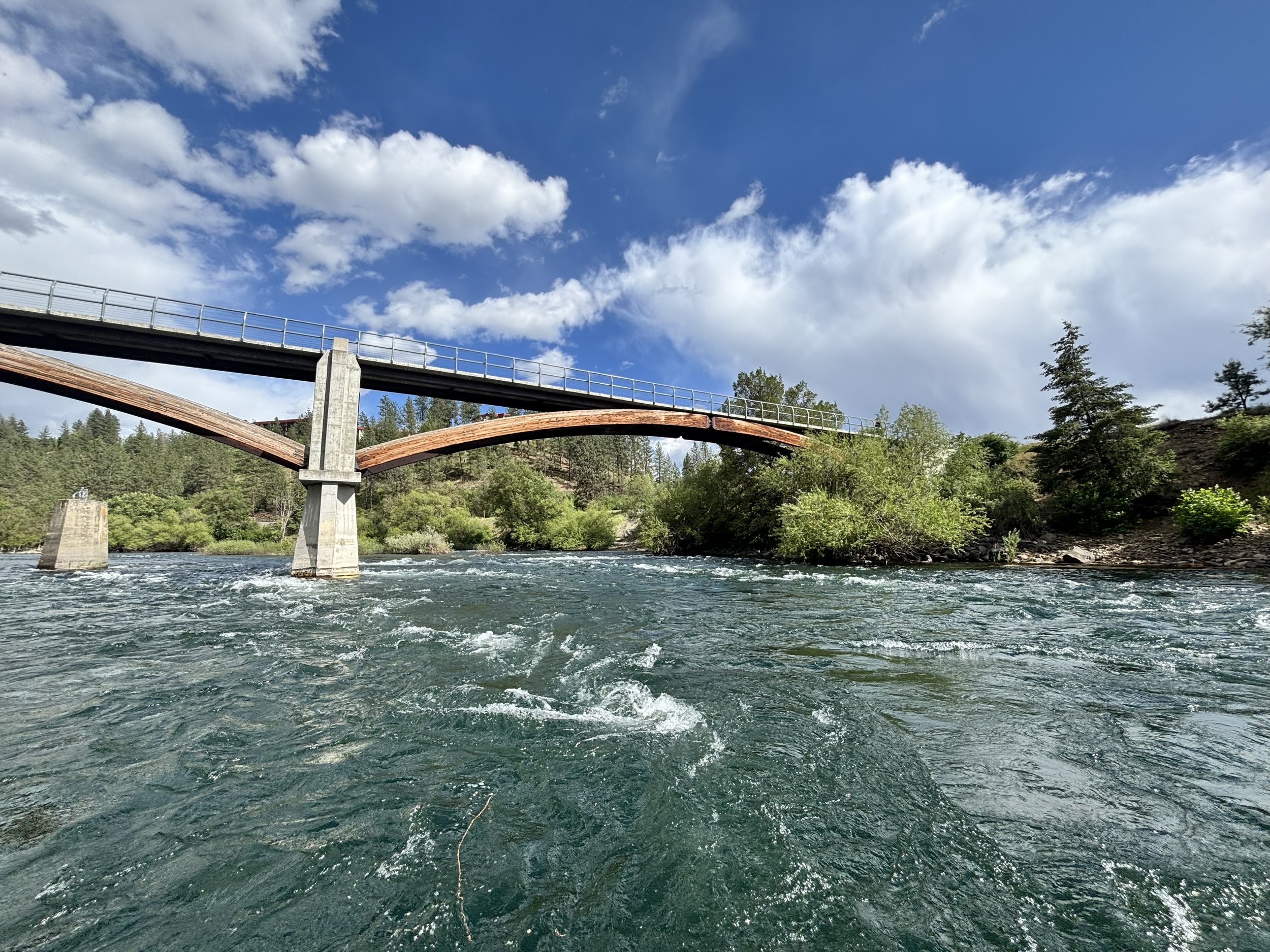
Flowing from Lake Coeur d’Alene toward the Columbia River, the Spokane moves quietly through the heart of the Inland Northwest.
Clear water, basalt structure, and shifting currents create a technical fishery that rewards careful observation—reading currents, understanding where fish hold, and making small adjustments that add up over the course of a day.
Native redband trout thrive here, adapted to the river’s changing flows and seasonal rhythms.
Despite its proximity to the city, much of the Spokane retains a surprisingly wild character.
When it’s fishing well, it can be incredibly satisfying. Not because it’s easy, but because it makes you a better angler.
👉 Best suited for: anglers who enjoy a bit of problem-solving and don’t mind a more technical day
👉 What it offers: consistent opportunities to learn, with moments that come together in a meaningful way
Spokane River
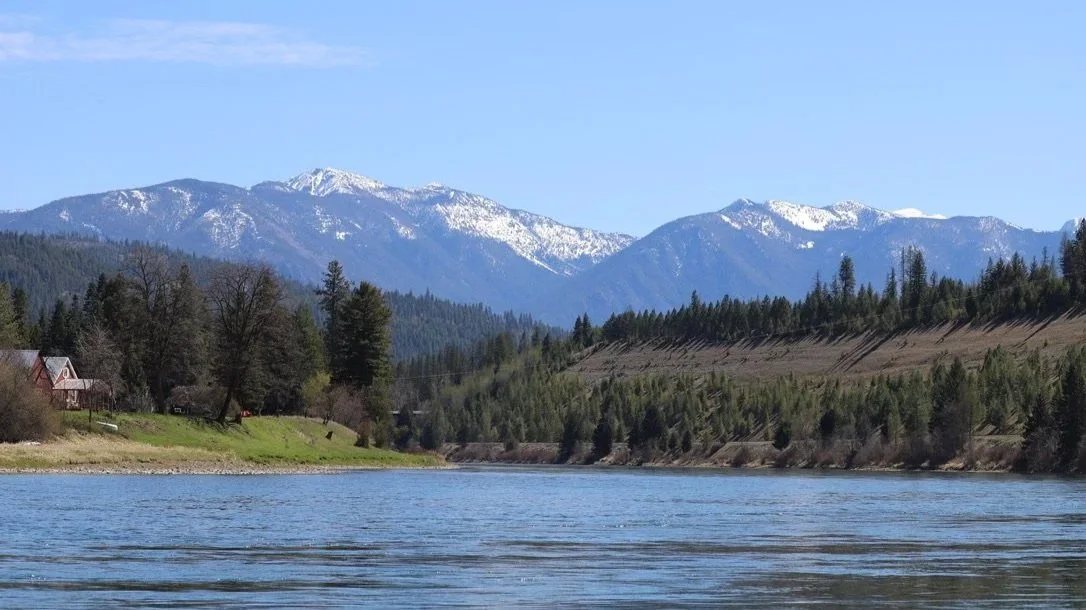
The Kootenai flows through broad valleys of northwestern Montana, offering long float stretches and deep runs where trout hold in subtle current seams.
Among the rivers of the region, the Kootenai often feels expansive and unhurried. Its steady current and powerful trout reward anglers who take the time to understand how the river moves.
The Kootenai feels bigger, more powerful, more deliberate.
It’s a river that rewards preparation and patience. When everything lines up—flows, weather, timing—it can offer something that’s hard to replicate elsewhere.
It’s also a place where small details matter.
👉 Best suited for: anglers who appreciate a more deliberate pace and are comfortable settling into a day
👉 What it offers: high-quality opportunities when conditions align
Kootenai River
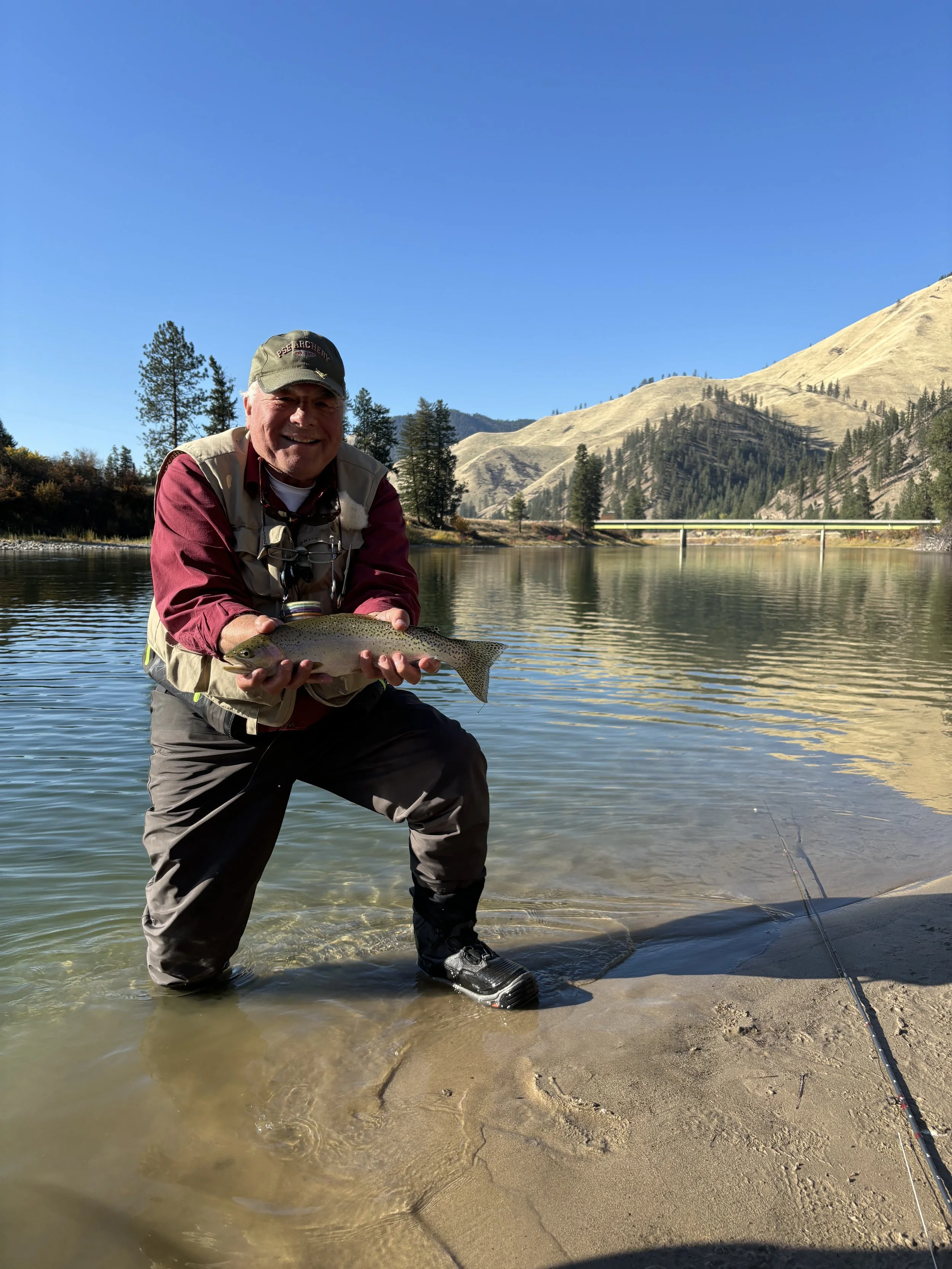
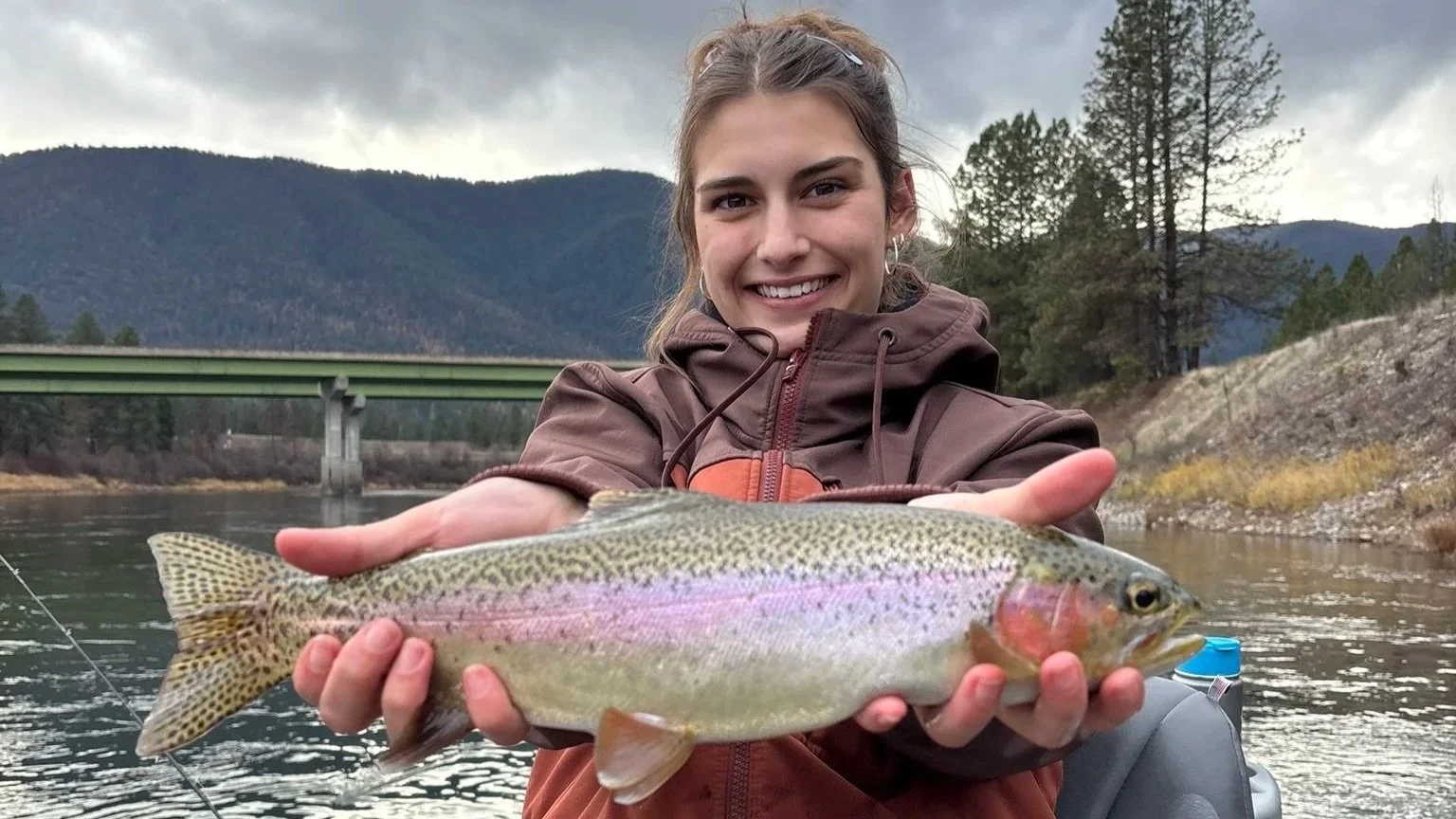
One of Montana’s great rivers, the Clark Fork winds through wide valleys, cottonwood bottoms, and classic trout water.
Long float sections reveal changing water types—from shallow riffles to deeper runs and gentle bends where trout feed along current seams.
The Clark Fork carries the quiet feeling of traditional Montana trout fishing. This river covers a lot of ground, both literally and in how it fishes.
Different sections behave differently, and part of guiding here is knowing which stretch makes the most sense on a given day.
It can be dynamic, sometimes unpredictable, but often rewarding when approached thoughtfully.
👉 Best suited for: anglers open to a bit of variability and interested in exploring different water
👉 What it offers: range, variety, and the chance to adapt as conditions shift
Clark Fork River
Choosing the Right One
If you already have a river in mind, we can build around that.
If you don’t, that’s part of the process.
A few days before your trip, I’ll reach out with a recommendation based on what I’m seeing across all of these rivers and what you’re hoping to get out of the day.
If something doesn’t line up, we adjust.
By the time we meet, we’ve already done the work of getting you pointed in the right direction.
Plan Your Day
If you’d like to explore these rivers together, we’d be glad to spend a day reading the water with you.