

Kootenai River
A River With Deep History
A broad Montana river of deep runs, steady current, and powerful trout.
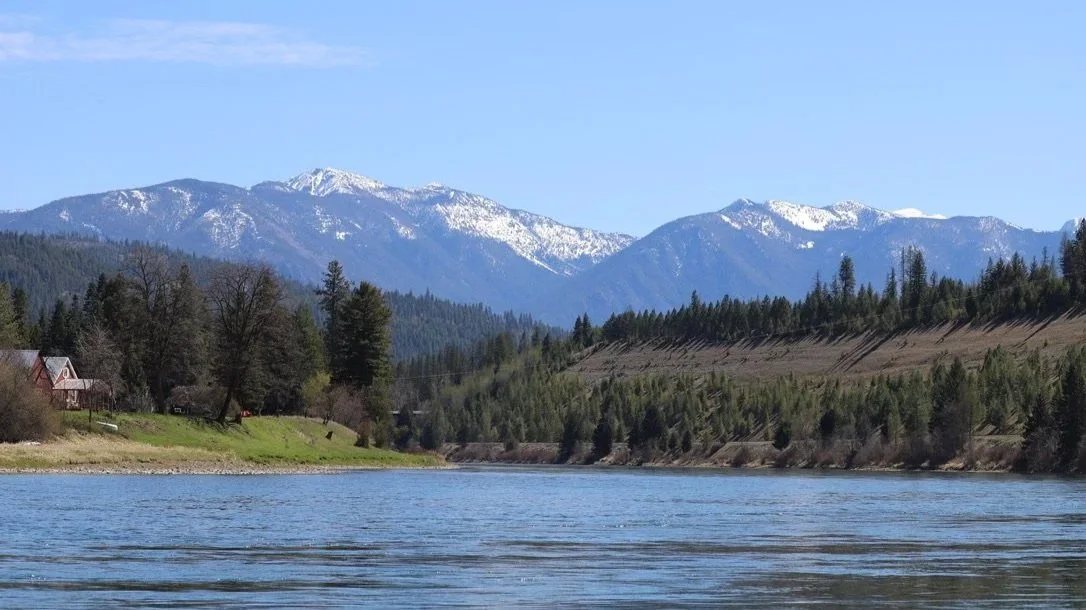
The Kootenai River flows through some of the most beautiful country in the Inland Northwest, winding from British Columbia into northwestern Montana.
It is a large, confident river—broad runs, steady current, and subtle seams where trout hold and feed.
Long before modern anglers arrived, the Kootenai River supported the Ktunaxa people, whose presence in the watershed stretches back thousands of years. The river provided food, travel, and connection across what are now the borders of British Columbia, Montana, and Idaho.
Today the Kootenai continues to flow through that same landscape, carrying with it the long history of the valley and the people who first depended on its waters.
Fishing here offers a quiet reminder that these rivers have sustained life for generations before fly fishing became part of the story.
What Makes the Kootenai Unique
Big water structure
Deep runs and long seams shape where trout hold.
Powerful trout
Fish here grow strong in steady current.
Quiet stretches
Even on productive days the river rarely feels crowded.
Among the rivers of the region, the Kootenai often reminds me most of the Alaskan waters where I grew up fishing.
Its scale, pace, and long current seams echo the rivers where I first learned to understand trout.
When to Fish the Kootenai
Spring: Rising flows and cooler water create productive nymphing conditions as trout begin feeding more actively.
Early Summer: Increasing insect activity brings stronger feeding windows, and trout hold in deeper seams and current transitions.
Late Summer: Stable flows and warm days can produce excellent fishing, especially during morning and evening periods.
Fall: Cooling water temperatures often bring renewed trout activity as fish feed ahead of winter.
How We Fish the Kootenai
The Kootenai is primarily a float river. Its size and long stretches of productive water make drift boats the most effective way to move through the system and position anglers for natural presentations.
Unlike smaller rivers where trout often hold in obvious pockets, Kootenai trout frequently position themselves along long seams, subtle depth transitions, and softer current edges. Reading these changes in the water becomes one of the most important skills on this river.
Most days involve working methodically through deeper runs and current seams while adjusting depth and drift until the river reveals where fish are holding.
Depending on conditions, a day on the Kootenai may include:
nymphing deeper seams and current transitions
presenting dry flies during hatch windows
occasional streamer fishing along structure and banks
Because the river is broad and powerful, careful boat positioning and thoughtful drift control become especially important. Often the difference between a quiet stretch and a productive run is simply placing the fly in the right current lane.
It’s a style of fishing that rewards patience, observation, and small adjustments—qualities that big rivers tend to appreciate.
Planning Your Day
Trip Style: Full-Day Float
Skill Level: Beginner through Experienced
Season: Spring through Fall
The Kootenai is a river that rewards patience, boat positioning, and careful drift control. Most guided days here take place from a drift boat, allowing us to cover long stretches of productive water while adjusting to how fish are holding that day.
Some anglers come with the Kootenai specifically in mind. Others prefer to choose a date and let current conditions across the region help determine where we’ll find the best opportunity.